


Common Homeowner Mistakes That Lead to Foundation Damage — And How Inspections Help Prevent Them
Foundation Inspection vs. Home Inspection Page Summary Poor drainage, overwatering, and improper grading are among the top causes of preventable foundation damage in residential homes. Soil erosion, moisture imbalance, and expansive clay soil movement can weaken slab integrity when ignored. Early warning signs—like wall cracks, sloping floors, and sticking doors—often go unnoticed until the damage becomes severe. A professional Foundation Inspection helps detect soil pressure, drainage issues, and moisture problems before they become costly structural repairs. Concrete Repairman provides expert evaluations that identify homeowner-related risks and recommend corrective steps to protect long-term foundation stability. Many homeowners unintentionally create the
Why a Foundation Inspection Is Critical Before Buying or Selling a Home
Foundation Inspection vs. Home Inspection Page Summary A Foundation Inspection focuses exclusively on structural integrity, soil movement, slab stability, and moisture-related damage, while a general home inspection offers a broad overview of the entire home. Home inspectors identify symptoms of problems, but foundation specialists diagnose the causes of cracks, settlement, or shifting. Foundation evaluations include load-bearing analysis, slab-level measurements, moisture intrusion detection, and structural mapping, all of which are not included in a standard home inspection. Buyers and sellers rely on specialized foundation assessments to uncover hidden risks that can impact safety and long-term home value. Concrete Repairman provides
Why a Foundation Inspection Is Critical Before Buying or Selling a Home
Foundation Inspection Is Critical Before Buying or Selling a Home Page Summary A Foundation Inspection uncovers hidden structural damage that a general home inspection often overlooks. Buyers use foundation reports to negotiate repairs, price reductions, or credits during real estate transactions. Structural issues such as settlement, stem wall deterioration, moisture intrusion, and soil movement can significantly affect a home's long-term value. Sellers benefit from inspections by demonstrating transparency, avoiding surprise repair costs, and strengthening listing credibility. Insurance and lending decisions may depend on documented foundation stability, making a professional inspection essential. A home’s foundation determines its structural safety, long-term
How Soil Type and Moisture Levels Affect Your Home’s Foundation Stability
How Soil Type and Moisture Levels Affect Foundations Page Summary Soil type and moisture levels directly impact slab movement, structural shifting, and long-term foundation performance. Expansive clay soil absorbs water, swells, and contracts, causing slab-on-grade foundations to lift or settle unevenly. Hydrostatic pressure, improper drainage, and water accumulation around the home can lead to cracking, deterioration of the stem wall, and foundation instability. Seasonal moisture changes—especially in regions with monsoons and extreme heat—intensify soil movement and structural stress. Professional Foundation Inspection services from Concrete Repairman identify soil-related damage early, helping homeowners prevent major repairs. A home’s foundation is only

Early Warning Signs You Need a Residential Foundation Inspection
Early Warning Signs You Need a Foundation Inspection Page Summary Early warning signs like wall cracks, uneven floors, and sticking doors often indicate foundation movement that requires a Foundation Inspection. Soil expansion, settlement, and moisture changes can cause visible structural symptoms throughout the home. Concrete Repairman evaluates issues such as floor sloping, drywall separation, and exterior stem wall cracks to detect structural stress early. Recognizing subtle signs of foundation shifting can prevent costly, severe structural repairs later. Homeowners should schedule a professional Foundation Inspection at the first signs of movement or cracking inside or outside the home. Many homeowners
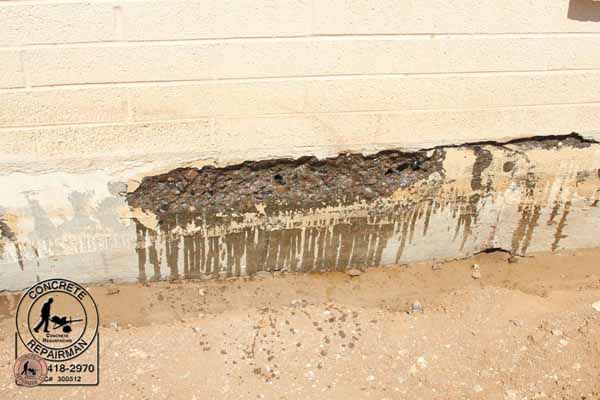
What Happens During a Professional Foundation Inspection: A Complete Homeowner Guide
What Happens During a Foundation Inspection Page Summary A professional Foundation Inspection evaluates the slab, soil conditions, moisture levels, structural alignment, and crack patterns to detect early movement. Inspectors from Concrete Repairman use specialized tools to measure elevation changes, assess load paths, and identify signs of settlement or stem wall deterioration. Moisture testing, soil analysis, and drainage evaluation help determine the underlying causes of foundation stress. Homeowners receive a detailed inspection report outlining structural findings and recommended repairs to protect property value and safety. Early inspections help identify minor issues before they grow into significant structural problems. A Foundation
