
How Soil Type and Moisture Levels Affect Foundations Page Summary
- Soil type and moisture levels directly impact slab movement, structural shifting, and long-term foundation performance.
- Expansive clay soil absorbs water, swells, and contracts, causing slab-on-grade foundations to lift or settle unevenly.
- Hydrostatic pressure, improper drainage, and water accumulation around the home can lead to cracking, deterioration of the stem wall, and foundation instability.
- Seasonal moisture changes—especially in regions with monsoons and extreme heat—intensify soil movement and structural stress.
- Professional Foundation Inspection services from Concrete Repairman identify soil-related damage early, helping homeowners prevent major repairs.
A home’s foundation is only as stable as the soil supporting it. In areas with clay-rich ground or fluctuating moisture levels, foundations can experience movement that leads to cracking, shifting, and structural stress. Understanding how soil conditions affect your foundation helps you know when to schedule a Foundation Inspection and how to protect your home in the long term.
This guide explores how expansive clay soil, hydrostatic pressure, drainage issues, and seasonal moisture changes influence foundation performance—especially in regions like Arizona where soil conditions vary dramatically.
The Relationship Between Soil and Foundation Stability
Soils behave differently depending on composition, compaction, and water content. When a foundation rests on unstable or reactive soil, the slab can lift, sink, or tilt over time.
Common Soil Types That Affect Foundation Stability
- Expansive Clay Soil: Swells when wet, shrinks when dry, causing significant movement.
- Sand: Drains well but may shift without proper compaction.
- Caliche: Extremely dense and complex for moisture to penetrate, sometimes causing uneven stress.
- Silt or Loam: Retains moisture and may become unstable in wet conditions.
A Foundation Inspection evaluates how soil conditions around the home are affecting slab-on-grade behavior, stem walls, and load distribution.
CALL (602) 418-2970
FOR IMMEDIATE FOUNDATION REPAIR
CALL 480-725-7614 FOR IMMEDIATE FOUNDATION REPAIR
Expansive Clay Soil — The Most Common Cause of Foundation Movement
Expansive soil is one of the biggest threats to foundation stability. Clay particles absorb moisture and expand dramatically, then contract during dry periods.
How Expansive Soil Impacts Foundations
- Lifting or heaving of the concrete slab
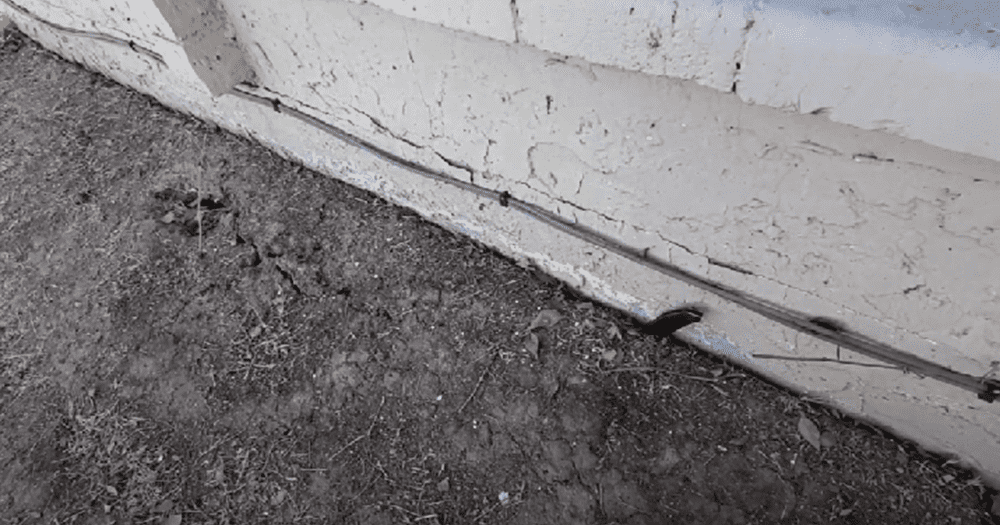
- Cracks forming in the stem wall
- Soil pulling away from the foundation during dry seasons
- Uneven settlement across different sections of the home
Homes built on clay-rich soil are more prone to structural shifting and often require more frequent inspections by specialists like Concrete Repairman.
Hydrostatic Pressure and Its Effect on Foundation Stability
Hydrostatic pressure occurs when moisture accumulates in the soil and exerts force on the foundation. This can happen after heavy rains, irrigation oversaturation, improper drainage, or plumbing leaks.
Warning Signs of Hydrostatic Pressure
- Horizontal cracks along exterior or interior slabs
- Bowing or leaning walls
- Water seepage into the foundation area
- Rapid soil expansion around the perimeter
High moisture levels can weaken concrete, accelerate rebar corrosion, and lead to long-term structural instability.
Slab-on-Grade Movement Caused by Soil Moisture Changes
Many Arizona homes sit on slab-on-grade foundations, which respond directly to changes in the soil beneath them.
Symptoms of Slab Foundation Movement
- Floor sloping or sagging
- Doors and windows are sticking
- Tile or flooring cracks
- Separation between walls and ceilings
- Stress cracks in drywall or stucco
These symptoms often trigger a Foundation Inspection to confirm whether soil conditions or moisture fluctuations are the cause.
Drainage Issues That Lead to Foundation Damage
Poor drainage is a leading contributor to foundation instability. When water accumulates near the home, soil becomes saturated and expands.
Drainage Red Flags
- Downspouts emptying near the foundation
- Landscaping that directs water toward the home
- Standing water after rain or irrigation
- Soil erosion near walkways or slab edges
Improving drainage is one of the simplest ways to prevent foundation movement and avoid premature damage.
Seasonal Soil Expansion and Contraction
Desert climates experience extreme wet and dry cycles. Monsoon rains cause rapid soil expansion, while hot, dry summers lead to intense shrinkage.
How Seasonal Shifts Affect Foundations
- Sudden cracking after heavy moisture spikes
- Long, vertical slab cracks appear during drought
- Foundation movement is accelerating during transitional seasons
- Increased stress on load paths and stem walls
Seasonal soil behavior is a significant reason homeowners benefit from periodic Foundation Inspection services.
How Concrete Repairman Assesses Soil-Related Foundation Problems
Concrete Repairman evaluates soil behavior during every inspection. Their process includes:
- Measuring moisture levels around the perimeter
- Assessing soil expansion or contraction zones
- Identifying drainage issues that affect soil stability
- Mapping slab movement caused by soil displacement
- Analyzing crack patterns linked to soil pressure
With decades of expertise in Arizona soils, they pinpoint root causes and recommend solutions tailored to local conditions.
Protecting Your Home from Soil-Related Foundation Damage
Homeowners can help prevent foundation problems by:
- Improving drainage and grading
- Monitoring moisture levels around the perimeter
- Avoiding overwatering vegetation
- Scheduling regular Foundation Inspection appointments
- Watching for signs of movement, such as cracks or sloping floors
Understanding how soil and moisture influence your foundation empowers you to act early and protect your home’s stability.
FAQs About Foundation Inspections
About the Owner: James Belville

Concrete Repairman LLC Owner James Belville is a third-generation master concrete foundation repair expert. James has extensive industry experience that includes concrete repair and Commercial and residential concrete foundation installations.
James teaches high school and college students how to finish concrete with confidence through several distributors nationwide and has appeared on the television show “The Concrete Cowboy” multiple times. With over 30 years of hands-on experience, James is skilled in the art of finishing concrete.
James Belville’s unmatched local experience means he can recognize the telltale signs of foundation problems without performing any expensive engineering calculations or analysis. James can readily identify expansive clay soil and other structural issues that could cause catastrophic building failure. This experience-based talent can save you tens of thousands of dollars.


