
Foundation Inspection Is Critical Before Buying or Selling a Home Page Summary
- A Foundation Inspection uncovers hidden structural damage that a general home inspection often overlooks.
- Buyers use foundation reports to negotiate repairs, price reductions, or credits during real estate transactions.
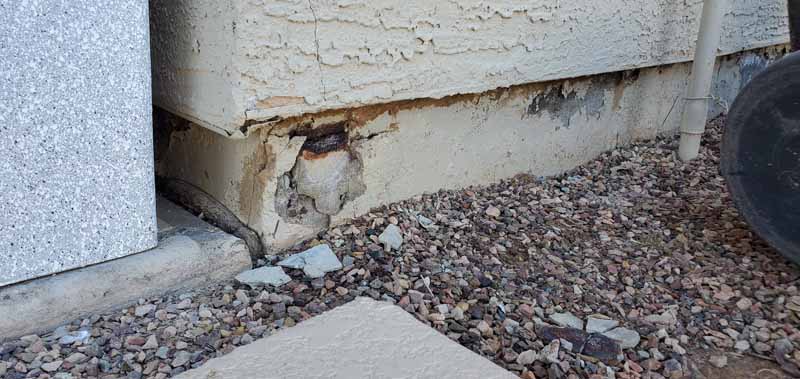
- Structural issues such as settlement, stem wall deterioration, moisture intrusion, and soil movement can significantly affect a home’s long-term value.
- Sellers benefit from inspections by demonstrating transparency, avoiding surprise repair costs, and strengthening listing credibility.
- Insurance and lending decisions may depend on documented foundation stability, making a professional inspection essential.
A home’s foundation determines its structural safety, long-term stability, and overall value. Whether you are entering the market as a buyer or preparing to sell, a Foundation Inspection is one of the most critical steps in the real estate due diligence process. It uncovers hidden risks, prevents unexpected expenses, and creates confidence for both parties involved in the transaction.
While general home inspections cover a broad range of systems, foundation issues often require specialized expertise. That is why homeowners and real estate professionals rely on companies like Concrete Repairman to provide accurate, detailed structural evaluations before finalizing a sale.
Why Buyers Need a Foundation Inspection Before Making an Offer
Before committing to one of the most significant investments of your life, it’s essential to understand the condition of the home’s foundation. Unseen structural problems can lead to expensive repairs, insurance complications, and safety concerns.
Detect Hidden Damage Not Found in Standard Inspections
General home inspectors may identify visible cracks or uneven floors, but they often cannot determine the cause of foundation movement.
A specialized Foundation Inspection evaluates:
- Soil conditions and moisture impact
- Structural load paths
- Stem wall deterioration
- Slab settlement or heaving
- Wall, ceiling, and flooring movement patterns
This provides clarity on whether the home is stable or at risk of future structural damage.
Protect Your Investment by Avoiding Costly Repairs
Foundation repairs can range from minor crack sealing to primary structural reinforcement. Early detection allows buyers to make informed decisions before closing.
CALL (602) 418-2970
FOR IMMEDIATE FOUNDATION REPAIR
CALL 480-725-7614 FOR IMMEDIATE FOUNDATION REPAIR
How a Foundation Inspection Strengthens Buyer Negotiation Power
A documented inspection provides leverage during the negotiation phase.
Use the Report to Request Repairs or Credits
If foundation issues are confirmed, buyers can negotiate:
- Seller-paid repairs
- Reduced purchase price
- Closing credits
- Repair allowances
This protects buyers from having to pay for expensive future repairs.
Avoid Homes with High Structural Risk
Some foundations show early signs of failure that may not be worth taking on. A professional foundation report helps buyers avoid costly mistakes.
Why Sellers Benefit From a Pre-Listing Foundation Inspection
Sellers who proactively schedule a Foundation Inspection often find that it improves the selling process and creates buyer confidence.
Prevent Surprises During the Buyer’s Inspection
Foundation problems discovered late in the process can delay closing, reduce the sale price, or cause buyers to walk away.
A pre-listing inspection helps sellers:
- Identify repairs in advance
- Control repair costs
- Present a stable, trustworthy listing
- Strengthen negotiation position
Increase Transparency and Market Appeal
When sellers provide a foundation report, buyers see it as a sign of honesty and responsible property care.
How Foundation Stability Affects Insurance and Financing
Lenders and insurance companies often review foundation conditions before approving a loan or policy.
Insurance Considerations
Unstable foundations may be considered a risk, affecting coverage or premiums. Some insurers require documentation showing the foundation is structurally sound.
Lending Requirements
Homes with active settlement or visible structural damage can be flagged during appraisal. A professional Foundation Inspection helps ensure:
- Approval for financing
- Accurate valuation
- Reduced risk of underwriting delays
What Concrete Repairman Looks for During a Foundation Inspection
Concrete Repairman evaluates structural conditions with precision and clarity. Their inspections include:
- Mapping slab settlement
- Assessing soil movement and moisture effects
- Measuring interior elevation changes
- Inspecting stem walls for corrosion or cracking
- Documenting wall, ceiling, and flooring movement
- Providing a detailed inspection report
This expertise gives buyers and sellers actionable insights and confident decision-making.
A Foundation Inspection Protects Everyone Involved in a Real Estate Transaction
Whether you are buying or selling, a foundation evaluation provides clarity, reduces risk, and prevents costly surprises. It ensures structural safety, supports negotiations, and enhances the property’s value.
For dependable, accurate inspections, homeowners trust Concrete Repairman — Arizona’s leading experts in foundation diagnostics and repair.
FAQs About Foundation Inspections
About the Owner: James Belville

Concrete Repairman LLC Owner James Belville is a third-generation master concrete foundation repair expert. James has extensive industry experience that includes concrete repair and Commercial and residential concrete foundation installations.
James teaches high school and college students how to finish concrete with confidence through several distributors nationwide and has appeared on the television show “The Concrete Cowboy” multiple times. With over 30 years of hands-on experience, James is skilled in the art of finishing concrete.
James Belville’s unmatched local experience means he can recognize the telltale signs of foundation problems without performing any expensive engineering calculations or analysis. James can readily identify expansive clay soil and other structural issues that could cause catastrophic building failure. This experience-based talent can save you tens of thousands of dollars.


