
What Happens During a Foundation Inspection Page Summary
- A professional Foundation Inspection evaluates the slab, soil conditions, moisture levels, structural alignment, and crack patterns to detect early movement.
- Inspectors from Concrete Repairman use specialized tools to measure elevation changes, assess load paths, and identify signs of settlement or stem wall deterioration.
- Moisture testing, soil analysis, and drainage evaluation help determine the underlying causes of foundation stress.
- Homeowners receive a detailed inspection report outlining structural findings and recommended repairs to protect property value and safety.
- Early inspections help identify minor issues before they grow into significant structural problems.
A Foundation Inspection is one of the most important steps a homeowner can take to protect structural stability and long-term property value. Whether you’ve noticed cracks, uneven floors, sticking doors, or want peace of mind, understanding how professional inspectors examine the foundation can help you stay proactive about your home’s safety.
This guide explains what happens during a complete inspection performed by specialists such as Concrete Repairman, who bring decades of field experience and advanced diagnostic tools to every evaluation.
Why Foundation Inspections Matter for Homeowners
Arizona homes sit on soils that expand, contract, and shift with seasonal changes in moisture. Even well-built foundations can experience movement that leads to cracking, lifting, or interior damage over time.
A professional inspection identifies concerns early through:
- Slab evaluation
- Moisture testing
- Soil condition analysis
- Crack measurement
- Load path assessment
- Foundation reporting
Each of these elements tells part of the story about how your home is settling and whether structural strain is developing.
CALL (602) 418-2970
FOR IMMEDIATE FOUNDATION REPAIR
CALL 480-725-7614 FOR IMMEDIATE FOUNDATION REPAIR
Step 1 — Slab Evaluation and Surface Condition Assessment
Inspectors begin with a detailed look at the concrete slab, checking for:
- Surface cracks and stress lines
- Separation at joints
- Slab heaving or sinking
- Areas of uneven support
Identifying Structural vs. Non-Structural Cracks
Crack patterns reveal how the slab is reacting to soil pressure.
- Hairline surface cracks may be cosmetic.
- Diagonal or stair-step cracks often indicate settlement.
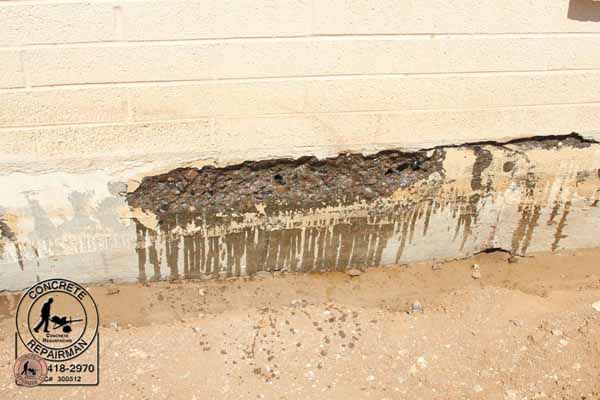
- Horizontal stem wall cracks can point to moisture intrusion or reinforcement failure.
Technicians from Concrete Repairman evaluate these indicators with precision to determine whether they reflect normal aging or deeper structural concerns.
Step 2 — Moisture Testing and Drainage Evaluation
Moisture is one of the leading causes of foundation movement. Inspectors use moisture meters and visual mapping to determine whether water is collecting near or under the slab.
Why Moisture Testing Matters
Changes in soil moisture can cause:
- Soil expansion
- Slab lifting
- Stem wall deterioration
- Settling when soils dry out
Proper drainage and grading are assessed to identify whether water management improvements are needed.
Step 3 — Soil Condition and Environmental Analysis
Foundation behavior is directly tied to the soil beneath it. During a Foundation Inspection, professionals examine:
- Soil type (clay, sand, caliche)
- Moisture retention levels
- Expansion or contraction tendencies
- Evidence of erosion or settlement
Understanding soil composition helps pinpoint the root cause of foundation movement.
Step 4 — Crack Measurement and Movement Tracking
Inspectors measure crack width, length, and direction to determine the degree of movement occurring within the slab or stem wall.
Tools Used for Crack Evaluation
- Crack gauges to monitor shifting
- Precision measuring tools for consistent readings
- Elevation devices to track vertical displacement
This data provides clear insight into whether cracking is new, progressing, or dormant.
Step 5 — Structural Load Path Analysis
Load paths describe how a home’s weight is transferred through the structure to the foundation. Misaligned load paths can create:
- Floor sloping
- Door and window misalignment
- Ceiling cracks
- Wall bowing
Inspectors analyze these symptoms to determine whether the foundation is shifting or requires structural reinforcement.
Step 6 — Elevation Readings and Slab Movement Mapping
Elevation tools reveal subtle changes in elevation across the home. Even slight differences may signal:
- Soil settlement
- Slab lifting
- Water intrusion
- Structural imbalance
Concrete Repairman technicians map these readings to identify lift points, low spots, and tilt patterns that affect the home’s stability.
Step 7 — The Final Foundation Inspection Report
At the end of the visit, homeowners receive a detailed report that includes:
- Photographs of damage
- Diagram of stress areas
- Crack measurements
- Moisture readings
- Soil and drainage concerns
- Recommended repair solutions
This document serves as a roadmap to protecting the home from long-term structural damage.
When Should Homeowners Schedule a Foundation Inspection?
A Foundation Inspection is recommended when:
- Cracks appear in walls or floors
- Floors feel uneven
- Doors or windows begin sticking
- Water collects near the foundation
- Soil shifts after storms
- Buying or selling a home
Early diagnosis reduces repair costs and prevents escalating damage.
Trust Concrete Repairman for Professional Foundation Inspections
With over 30 years of experience, Concrete Repairman offers accurate diagnostics, transparent reporting, and expert repair recommendations tailored to Arizona’s soil conditions. Their evaluations help homeowners make informed decisions based on reliable data, not guesswork.
For peace of mind and long-term protection, annual or biannual inspections are one of the smartest investments a homeowner can make.
FAQs About Foundation Inspections
About the Owner: James Belville

Concrete Repairman LLC Owner James Belville is a third-generation master concrete foundation repair expert. James has extensive industry experience that includes concrete repair and Commercial and residential concrete foundation installations.
James teaches high school and college students how to finish concrete with confidence through several distributors nationwide and has appeared on the television show “The Concrete Cowboy” multiple times. With over 30 years of hands-on experience, James is skilled in the art of finishing concrete.
James Belville’s unmatched local experience means he can recognize the telltale signs of foundation problems without performing any expensive engineering calculations or analysis. James can readily identify expansive clay soil and other structural issues that could cause catastrophic building failure. This experience-based talent can save you tens of thousands of dollars.


