Blog Summary:
- Sagging ceilings can indicate serious foundation or stem wall issues.
- Rebar oxidation, moisture damage, and foundation settlement are common causes.
- DIY repairs rarely solve the root problem—professional inspection is crucial.
- Concrete Repairman LLC provides long-term, structural solutions for Arizona homes.
A sagging ceiling isn’t something any homeowner wants to see—but it’s a common problem that often points to deeper structural or foundation issues. I’m James Belville with Concrete Repairman LLC, and after decades of inspecting and repairing foundations across Arizona, I’ve learned that even a slight ceiling dip can reveal serious problems hidden beneath your home’s surface. Knowing when to take action, understanding what causes the issue, and choosing the right repair approach can make all the difference in protecting your home’s safety and value.
What Causes a Ceiling to Start Sagging?
Sagging ceilings can stem from several causes—some harmless, others critical. In Arizona homes, foundation movement, rebar oxidation, or stem wall damage are often to blame. When the foundation shifts or cracks, it creates uneven stress on walls, floors, and ceilings. Over time, you might notice cracks in the drywall, separation of the ceiling from the wall line, or a bowing ceiling that dips in the middle.
Another common cause is moisture intrusion, which softens ceiling materials and weakens joists. Leaking plumbing lines or roof damage can accelerate the problem. The key is understanding whether your sagging ceiling is cosmetic or a sign of structural damage—and that’s where our professional inspections come in.
Are Sagging Ceilings Linked to Foundation or Stem Wall Problems?
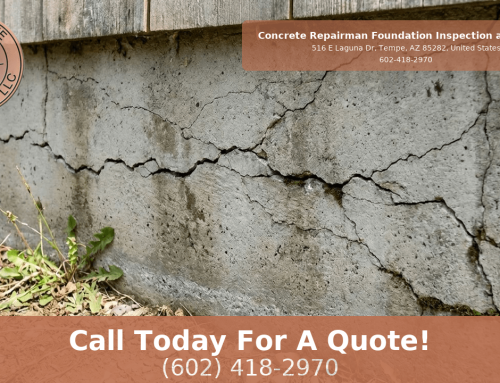
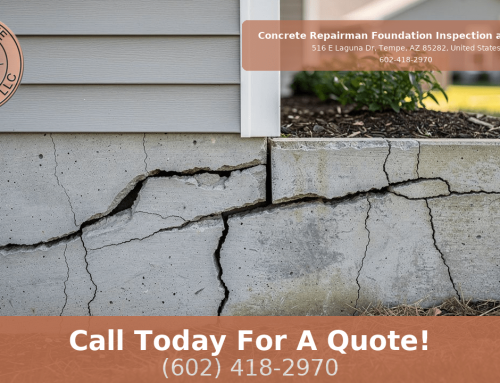
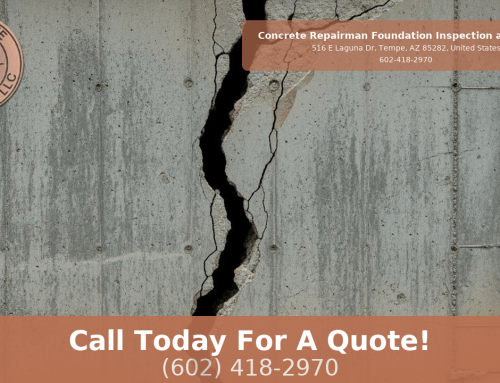
Yes—absolutely. One of the first things I check when a homeowner calls about a ceiling issue is the stem wall and slab foundation. Foundation cracks, rebar corrosion, or oxidation beneath your walls can cause the entire structure to shift slightly, leading to visible ceiling damage. As the stem wall deteriorates, the home’s frame loses support, and ceilings may sag, especially near corners or load-bearing walls. This is often seen in homes with post-tension slabs or older concrete structures where moisture has reached the embedded rebar. At Concrete Repairman LLC, we specialize in identifying these hidden causes with precision foundation inspections and structural hydraulic grout repairs that stabilize the problem at its root.
When Does a Sagging Ceiling Become a Serious Structural Concern?
While minor dips or hairline cracks may not be urgent, there are several warning signs that it’s time to act:
- Cracks running along the ceiling and down the walls
- Gaps where the ceiling meets the crown molding or wall line
- Uneven floors or doors that suddenly stick
- Moisture stains or bubbling paint
- New cracks are appearing after rainfall or plumbing leaks
If you notice any of these symptoms, your ceiling may be responding to foundation settlement or structural stress. As foundation specialists serving Tempe, Phoenix, Chandler, Gilbert, and Mesa, we’ve repaired countless homes showing similar patterns—where a sagging ceiling was the first visible sign of a foundation issue.
How Do We Inspect and Repair a Sagging Ceiling?
At Concrete Repairman LLC, we take a step-by-step approach. First, we perform a comprehensive foundation inspection using precision tools to measure level changes and identify settlement zones. Then, we examine the stem wall, slab cracks, and oxidized rebar that often contribute to ceiling sagging.
If we confirm a foundation issue, we apply structural hydraulic grout patches or epoxy injections to restore strength and prevent future movement. For ceilings, we coordinate with trusted drywall and framing professionals to safely restore alignment after the foundation is stabilized. This integrated process ensures you’re not just covering up damage—you’re correcting the real cause.
Can DIY Repairs Fix a Sagging Ceiling?
It’s tempting to patch drywall or repaint over cracks, but DIY ceiling repair rarely addresses the underlying issue. Without fixing the foundation movement or stem wall corrosion, the sagging will return—often worse than before. I’ve seen homeowners spend more money over time trying quick fixes that fail to solve the problem permanently. By hiring experienced foundation specialists like us, you’ll ensure your repairs are done once and done right. We’re licensed, bonded, and insured contractors with years of hands-on expertise repairing Arizona’s toughest concrete challenges—from tension tie replacement to hurricane strap reinforcement.
Why Choose Concrete Repairman LLC for Ceiling and Foundation Concerns?
Concrete Repairman LLC isn’t just another contractor—we’re educators at heart. Every inspection we perform includes a full explanation of what’s happening beneath your home, why it’s occurring, and how we’ll repair it safely. With over 30 years of experience, I personally train every craftsman on our team to deliver precision work and lasting results. When it comes to sagging ceilings, foundation cracks, or stem wall repair, trust a local Arizona company that understands our unique soil conditions, heat cycles, and moisture patterns. We don’t use shortcuts—only high-quality materials and proven methods.
What Should You Do If You Notice a Sagging Ceiling?
Don’t wait for the problem to worsen. A sagging ceiling could be your home’s way of warning you about foundation stress or structural weakening. The sooner you call for an inspection, the more affordable and practical the repair can be. Reach out to Concrete Repairman LLC today for an on-site foundation and structural evaluation. Let us help you protect your investment and restore your home’s safety and value. Call us now at (602) 418-2970 to schedule your inspection with our expert team.
FAQS About Foundation Repair
A Legacy of Excellence in Foundation Repair
With over 30 years of hands-on experience, James Belville and the team at Concrete Repairman LLC have established themselves as trusted experts in foundation repair throughout the Phoenix Metro Area, serving communities like Ahwatukee, Mesa, Chandler, Scottsdale, and beyond. Our reputation for delivering high-quality repair solutions is rooted in our unwavering commitment to excellence, ensuring that every project is completed with the utmost precision and care.
At Concrete Repairman LLC, we pride ourselves on being fully licensed, bonded, and insured, offering peace of mind to homeowners who entrust us with their foundation repairs. Our team of professionals prioritizes safety, quality workmanship, and complete customer satisfaction. We stand behind every repair with industry-leading warranties, demonstrating our confidence in the long-lasting durability of our services. Whether addressing small cracks or more significant foundation issues, we are committed to protecting the integrity of your home.
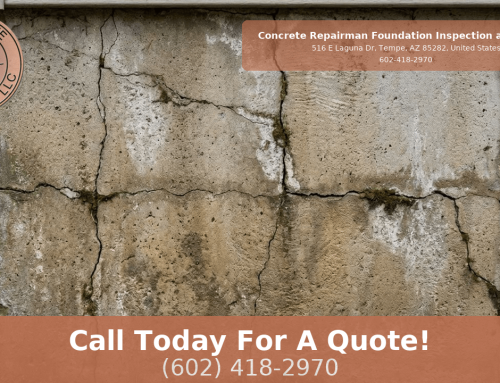
One of the common issues we encounter in Arizona foundations is efflorescence, a crystalline deposit caused by moisture intrusion. While it may appear harmless initially, efflorescence can be a warning sign of underlying problems such as cracks, stem wall deterioration, or basement moisture. Left unchecked, these issues can lead to significant structural damage. Our team specializes in diagnosing and repairing these moisture-related concerns, offering tailored solutions that prevent further damage and maintain your home’s long-term stability.
At Concrete Repairman LLC, call our Foundation Repair office in the Greater Phoenix Metro Area, including Gilbert, Glendale, Queen Creek, and Sun City. If you suspect foundation damage or want to protect your home from potential issues, contact us at (602) 418-2970. Our expert team is ready to inspect thoroughly and offer the best repair solutions to safeguard your home for years.