


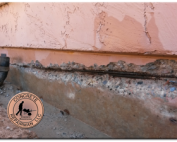
How To Fix Horizontal Foundation Cracks
What is the Best Way to Repair Foundation Cracks? A well-trained contractor can determine what the problem is and then determine the best way to fix it. While this process will take several days, some foundation cracks are caused by improperly poured concrete. For example, if the slab is uneven, cutting away sections of the concrete base may be necessary to get the cracks fixed. An experienced contractor can provide you with the cutting methods to repair your foundation cracks properly.

Foundation Repair Versus Replacement: What Phoenix Homeowners Deserve to Know
Key Takeaways: Foundation repair versus replacement is rarely black-and-white — Phoenix's expansive clay soil creates unique conditions that demand honest, individualized assessment from a qualified master craftsman. ROC licensing (such as ROC 300512 held by Concrete Repairman LLC) is your baseline protection: it requires bonding and insurance, but credential verification remains your responsibility. If a contractor cannot clearly explain why the repair won't work or why full replacement is necessary, that alone is reason enough to seek a second opinion before spending tens of thousands of dollars. You got a quote. Maybe two. One contractor said repair. Another said replacement. Now you're standing in your living room, staring at a crack in the wall, wondering who to believe — and whether you're about to make a very expensive mistake. That confusion is not your fault. The foundation repair industry in Phoenix is full of well-meaning generalists and, unfortunately, some

How to Choose Foundation Repair Contractors in Phoenix: The Criteria That Actually Matter
Key Takeaways: Hiring the right foundation repair contractor in Phoenix requires evaluating hands-on mastery, teaching credentials, and ROC licensing — not just marketing claims. Phoenix's expansive clay soils demand specialized local knowledge that generational craftsmen, like third-generation professionals, possess far more deeply than franchise-trained technicians. Always verify ROC licensing, bonding, and insurance before signing any contract — then ask whether your contractor can explain and teach what they do. Not every crack in your foundation is a disaster. However, every foundation repair contractor you hire could be. The difference between a skilled craftsman and a well-marketed franchise representative can mean the difference between a permanent fix and a recurring problem that costs you tens of thousands of dollars over time. In 2026, Phoenix homeowners are flooded with options — digital ads, door-knockers, and slick franchise brochures. So how do you cut through the noise? You set criteria based on

How to Evaluate Foundation Repair Contractor Credentials in Arizona
Key Takeaways: Arizona ROC licensing is the legal baseline for foundation repair contractors, but third-generation mastery, teaching credentials, and media recognition signal a far higher level of expertise. Verifying a foundation repair contractor's credentials — including ROC number, bonding, insurance, and industry recognition — protects Phoenix homeowners from costly mistakes in structural work. James Belville of Concrete Repairman LLC (ROC 300512) represents the gold standard: licensed, bonded, and insured; nationally recognized as an educator; and featured on Amazon Prime’s Concrete Secrets. You've noticed cracks in your foundation. You've decided to call a professional. Now comes the harder question: how do you tell the difference between a contractor who truly knows what they're doing and one who simply has a truck and a business card? In Phoenix and across Maricopa County, the stakes are high. Arizona's expansive clay soils, extreme heat cycles, and monsoon-season moisture swings create unique structural stress.

Stem Wall Inspection: What Phoenix Homeowners Need to Know Before Calling a Contractor
Key Takeaways: Stem wall inspection in Phoenix requires specialized knowledge of Arizona's extreme climate, expansive soil, and thermal cycling — standard concrete patching rarely addresses the underlying causes. Qualified professionals, like James Belville of Concrete Repairman LLC (ROC 300512), can distinguish between cosmetic surface damage and true structural compromise — a distinction that protects your home's long-term value. Before hiring any contractor for stem wall repair, ask them to explain why they're recommending a specific method — a true expert can teach you, not just sell you. Your home sits on a hidden structural layer most homeowners never think about — until something goes wrong. The stem wall is the critical band of concrete that connects your foundation to the walls above. In Phoenix, Chandler, Scottsdale, Tempe, and across Maricopa County, stem walls endure some of the harshest conditions of any building component. Heat, drought, monsoon saturation, and Arizona's

Why Master Craftsmen Are Redefining the Standard for Foundation Repair Contractors in Phoenix
Key Takeaways: Third-generation foundation expertise, like that of James Belville of Concrete Repairman LLC, means your contractor understands how repairs perform over decades — not just at the time of installation. Teaching credentials and national TV appearances signal true mastery; they set craftsmen apart from companies that simply market themselves. Phoenix's expansive clay soil demands generational, hands-on knowledge — the kind that franchise training programs cannot replicate in a weekend course. What Three Generations of Foundation Knowledge Actually Means Have you ever wondered what separates a contractor who learned their trade last year from one whose family has worked the same craft across three generations? For most homeowners in Phoenix, Scottsdale, Tempe, and across Maricopa County, the answer feels invisible — until something goes wrong. James Belville of Concrete Repairman LLC represents a rare category of foundation repair contractors. As a third-generation master craftsman with more than 30 years

What Should I Expect During a Tempe Foundation Inspection?
Summary Highlights A detailed assessment of walls, floors, doors, slabs, and load-bearing structures. Use of advanced tools such as moisture meters, laser levels, crack gauges, and soil probes. Detection of early signs of foundation problems, including cracks, water intrusion, and soil movement. A comprehensive repair plan with estimates, timelines, and expert guidance to maintain structural integrity. At Concrete Repairman LLC, we know that a foundation inspection can feel intimidating, but understanding the process helps homeowners feel confident. A foundation inspection in Tempe isn’t just a quick visual check—it’s a comprehensive assessment designed to detect cracks, soil movement, and other structural issues before they escalate. With over 40 years of experience, our expert James Belville combines specialized tools, thorough diagnostics, and evidence-based insights to give homeowners a complete picture of their foundation’s health. How Do We Begin a Foundation Inspection? Every foundation inspection starts with a visual assessment. We examine

How do I know if my home in Phoenix needs a foundation inspection?
Summary Highlights Foundation issues often start subtly but can lead to serious structural damage if ignored. Expansive clay soils in Phoenix contribute to slab settlement, floor uplift, and wall cracks. Professional inspections use moisture meters, laser levels, crack gauges, and soil probes for accurate assessments. Acting promptly on foundation problems prevents costly repairs and protects your home’s long-term value. Your home’s foundation is its most important structural component. At Concrete Repairman LLC, we often meet homeowners who are unsure whether their foundation is stable or if minor cracks should raise concern. As a trusted foundation repair contractor in Phoenix, we emphasize that even small issues, if left unchecked, can lead to costly structural damage. Here’s how to know when your home requires a professional foundation inspection. What are the most common signs of foundation problems in Phoenix homes? Foundation issues in Phoenix often begin subtly. Homeowners may notice cracks

How often should the foundation be inspected in Ahwatukee?
Summary Highlights Professional foundation inspections are recommended every 2–3 years in Ahwatukee, or sooner if you notice signs of damage. Expansive soils, moisture, and natural settling can cause slab movement, cracks, and structural instability. Concrete Repairman LLC provides evidence-based inspections, detailed reports, and repair solutions for long-term stability. Acting quickly on inspection findings prevents costly repairs and preserves your home’s value and safety. Your home’s foundation is its most critical structural component. At Concrete Repairman LLC, we often hear homeowners ask, “How often should foundation inspections be performed?” Even in newer Ahwatukee homes, the risks of foundation movement are real. Expansive clay soils, moisture changes, and environmental factors can cause slab movement, floor uplift, and cracks that may initially seem minor but could threaten your home’s structural integrity. We’ve seen firsthand how early detection prevents costly repairs. Regular inspections are a proactive approach that maintains your home’s stability, safety,

Is a foundation inspection the same as a home inspection?
Summary Highlights Foundation inspections focus specifically on structural integrity, unlike general home inspections. Even new homes can develop foundation issues due to soil movement or settling. Professional inspections identify hidden problems early, preventing costly repairs. Concrete Repairman LLC provides detailed reports, evidence-based findings, and tailored repair solutions. At Concrete Repairman LLC, we often get asked, “Is a foundation inspection the same as a home inspection?” The short answer is no. A foundation inspection focuses exclusively on your home’s structural base — the concrete slab, stem walls, footings, and load-bearing walls — and examines soil conditions, moisture levels, and subtle signs of movement or settlement. While a home inspection covers a wide range of systems like plumbing, electrical, HVAC, and roofing, it rarely includes the detailed measurements and analysis required to assess the foundation’s health. With over 40 years of experience, our expert inspector, James Belville, uses evidence-based methods to
