


Why Do Some Homes Experience Sewer Backups From Leaning Foundation Walls? A Guide for Ahwatukee Homeowners
Blog Summary: Leaning foundation walls can misalign or damage sewer lines, causing backups Expansive clay soil, poor drainage, and hydrostatic pressure drive wall movement Sewer backups often signal deeper foundation settlement or wall failure Permanent foundation repair protects plumbing, structure, and property value At Concrete Repairman LLC, we regularly meet Ahwatukee homeowners who are shocked to learn that recurring sewer backups are not always caused by clogged pipes or aging plumbing. In many cases, the real issue starts at the foundation. Leaning or bowing foundation walls can place intense pressure on underground sewer lines, causing them to shift, crack, or separate at connection points. When this happens, wastewater can no longer flow freely, leading to slow drains, sewage odors, or sudden backups inside the home. Foundation walls are designed to remain stable and vertical, protecting both the structure and the utilities that

What Does It Mean When My Floor Sags Over Time? Phoenix Foundation Repair Insights
Blog Summary: Sagging or uneven floors indicate potential foundation problems. Cracks in walls, ceilings, and floors may worsen without intervention. Professional methods like helical piers, slab jacking, and carbon fiber reinforcement stabilize foundations. Early inspection and repair by Concrete Repairman LLC prevents major structural damage. As your home ages, small changes can indicate larger underlying problems. One common concern we see at Concrete Repairman LLC in Phoenix is floor sagging, which can be an early sign of structural settlement. Floor sagging is often caused by soil movement, particularly in areas like Arizona, where expansive clay soil contracts and expands seasonally. This shifting soil places pressure on concrete slabs and foundation piers, leading to uneven floors and cracks in walls. Moisture accumulation from plumbing leaks, tree roots interfering with foundations, or construction defects can all exacerbate the problem. Even minor sagging should be

What Are the Early Warning Signs of Foundation Settlement? A Tempe Foundation Repair Expert Explains
Blog Summary: Cracks in walls, floors, and foundation walls often signal early settlement Uneven floors and sticking doors indicate structural misalignment Moisture intrusion accelerates soil movement and foundation damage Early professional inspections help prevent costly foundation repairs Foundation settlement rarely happens overnight. In most cases, your home gives you subtle warning signs long before major structural damage occurs. At Concrete Repairman in Tempe, we’ve spent decades inspecting and repairing foundations across Arizona, and we’ve seen firsthand how early detection can save homeowners thousands in foundation repair costs. Understanding the early warning signs of foundation settlement allows you to act before small problems turn into permanent foundation damage. Why Is Foundation Settlement a Serious Problem for Homeowners? Foundation settlement occurs when the soil beneath your home shifts, compresses, or erodes, causing the foundation to move or sink unevenly. In Arizona, expansive clay soil,

Why Are My Foundation Walls Leaning? Understanding the Risks and Repair Options
Blog Summary: Leaning foundation walls are often caused by soil movement, water damage, or structural stress. Early warning signs include cracks, sticking doors/windows, uneven floors, and bowing walls. Professional repair methods include helical piers, steel piers, concrete piers, carbon fiber reinforcement, and underpinning. Permanent solutions prevent further damage, increase home value, and provide long-term safety. When it comes to your home, foundation issues are not something you want to overlook. At Concrete Repairman LLC, we frequently get calls from homeowners noticing that their foundation walls are leaning or bowing. Understanding why this happens, the risks involved, and the repair options available can save you thousands of dollars in the long run. What Causes Foundation Walls to Lean? Leaning foundation walls usually result from soil movement, water damage, or structural stress. Arizona’s expansive clay soil is notorious for swelling and contracting with moisture

Why Are My Doors and Windows Sticking? Understanding Slab Floor Cracks and Foundation Settlement
Blog Summary: Sticking doors and windows are often early signs of slab floor cracks and foundation settlement. Foundation settlement in Phoenix is commonly caused by expansive soils and moisture fluctuations. Professional repair methods include helical piers, concrete piers, carbon fiber reinforcement, and slab jacking. Concrete Repairman LLC provides expert inspections, permanent repairs, and lasting peace of mind for your home. A sticking door or window may seem minor, but at Concrete Repairman, we know it’s often one of the earliest signs of slab floor cracks or foundation settlement. I’m James Belville, owner of Concrete Repairman LLC, and for over 30 years, my team and I have helped Phoenix homeowners identify, repair, and prevent serious foundation issues before they escalate. Understanding why doors and windows stick and recognizing the development of slab floor cracks are essential first steps in restoring your home’s stability
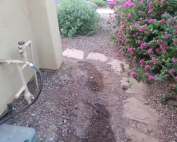
What Causes Puddles and Dampness Near My Foundation? How Sinking Foundations Lead to Water Issues
Blog Summary: Standing water and damp spots often indicate foundation settlement or soil movement. Early signs include cracks in walls, floors, or stem walls, and sticking doors or windows. Professional methods like helical piers, steel piers, slab jacking, and underpinning address both water and foundation issues. Preventative steps, such as proper grading and gutter maintenance, reduce the risk of water-related foundation damage. At Concrete Repairman LLC, we often see homeowners surprised by water pooling or damp spots near their foundation. These problems aren’t just a nuisance—they can indicate sinking foundations, shifting soil, or underlying structural damage. Water accumulation can worsen over time, leading to cracks, mold growth, and uneven flooring. Understanding the causes and early warning signs is key to protecting your home. Our team provides professional inspections and repair solutions to ensure your foundation remains stable and secure. Why Does Water
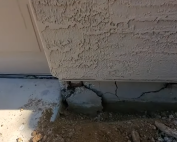
How Serious Are Cracks in My Foundation Piers? When to Call a Professional
Blog Summary: Cracks in foundation piers often indicate soil movement, water damage, or settling. Warning signs include sticking doors, uneven floors, damp spots, and spreading fissures. Timely professional intervention prevents further structural damage and stabilizes your foundation. Concrete Repairman LLC offers expert inspection and solutions using helical piers, steel piers, slab jacking, and rebar replacement. Homeowners are frequently concerned about cracks forming in their foundation piers. These cracks are often caused by soil movement beneath the home, water accumulation, and shifting or settling of expansive clay soils common in Arizona. Heavy rains or poor drainage can exacerbate the problem, causing erosion around the piers and weakening their support. Tree roots and plumbing leaks may also contribute, as they disturb the soil and can create pressure points on the piers. Understanding these causes helps us recommend timely interventions before minor cracks escalate into
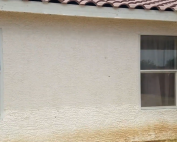
How Do I Know If My Home Needs Foundation Piers or Slab Reinforcement?
Blog Summary: Foundation piers stabilize homes with deep soil failure and vertical settlement Slab reinforcement strengthens cracked or weakened concrete slabs Early foundation repair prevents costly structural damage Professional inspections ensure the right repair solution for long-term stability We often meet homeowners who are unsure when foundation issues first started, because structural settlement rarely happens overnight. In Arizona and across the Phoenix metro area, expansive clay soil, soil erosion, poor drainage, and moisture fluctuations are some of the most common causes of foundation movement. As soil expands and contracts beneath a concrete slab or footing, it can no longer provide consistent support, allowing parts of the foundation to sink or shift. Over time, this movement places stress on the slab-on-grade foundation, load-bearing walls, and structural framing. At Concrete Repairman LLC, we frequently encounter these conditions during foundation inspections, particularly in older homes
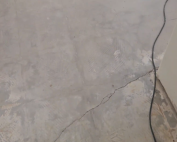
Can Minor Floor Cracks Lead to Major Foundation Problems? What You Should Watch For
Blog Summary: Minor floor cracks can indicate serious foundation issues if left unchecked. Soil movement, water damage, and poor drainage are common causes. Professional repairs like carbon fiber straps, piers, and slab jacking address both symptoms and root causes. Early inspection and permanent solutions protect your home’s value and long-term structural integrity. As a homeowner, noticing a small crack in your floor might feel harmless. But at Concrete Repairman LLC, we often see how minor floor cracks can signal deeper foundation problems that, if left untreated, may become costly and dangerous. In this post, we’ll walk you through what to watch for, the causes of these cracks, and the repair solutions we recommend for long-term safety and stability. Why Do Minor Floor Cracks Appear in the First Place? Minor floor cracks are often the first visible sign of foundation movement. These cracks
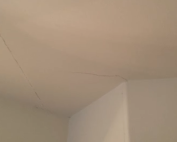
Are Drywall Cracks a Sign of Foundation Damage? What Homeowners Need to Check
Blog Summary: Drywall cracks can be early indicators of foundation settlement or soil movement. Look for additional warning signs: sticking doors, misaligned windows, and uneven floors. Early professional intervention prevents further damage and costly repairs. Concrete Repairman LLC offers certified, permanent solutions like helical piers, slab jacking, and carbon fiber reinforcement. A small crack in your drywall may seem minor, but at Concrete Repairman LLC, we know it can indicate more serious foundation issues. I’m James Belville, owner of Concrete Repairman LLC, and for over 30 years, my team and I have helped homeowners identify, repair, and prevent structural damage caused by soil movement and foundation settlement. Drywall cracks, misaligned doors, and sticking windows are often early signals that your home’s foundation may be under stress. Understanding the connection between visible drywall damage and foundation problems allows homeowners to act quickly. Ignoring
