


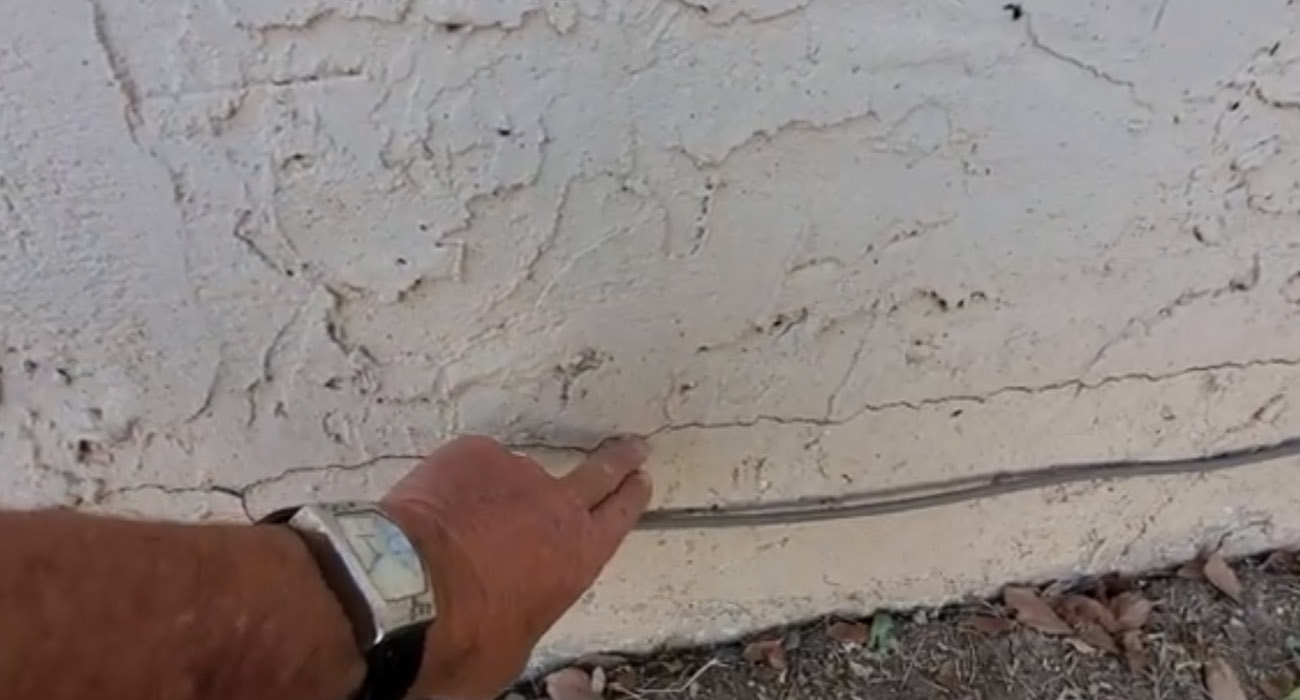
What happens after a foundation inspection if repairs are needed?
Summary Highlights A foundation inspection identifies both visible and hidden structural issues, providing a clear roadmap for necessary repairs. Recommended repairs may include crack injection, stem wall repair, slab leveling, soil stabilization, and drainage correction. Addressing foundation problems promptly protects the home from further damage, including uneven floors, drywall cracks, and plumbing issues. Professional repairs and documentation increase home value and provide peace of mind for homeowners and prospective buyers. After completing a thorough foundation inspection, we at Concrete Repairman LLC compile all of our findings to give you a clear picture of your home’s structural condition. Our expert
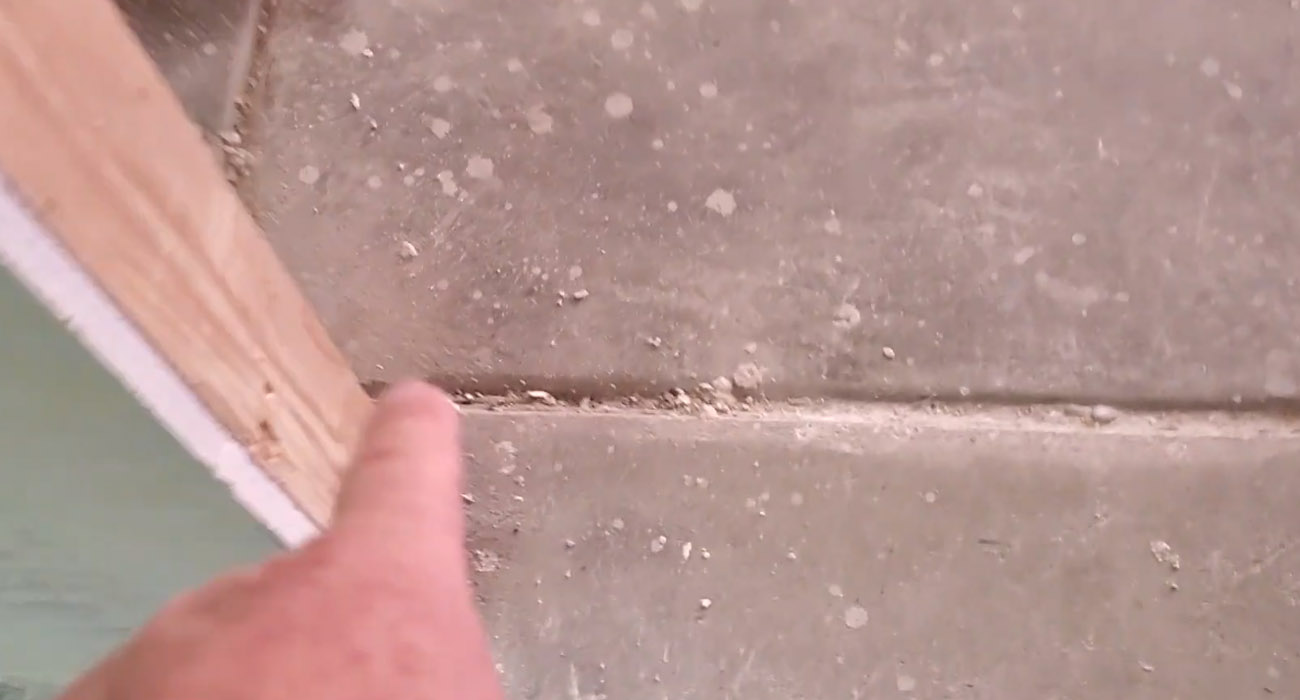
How long does a foundation inspection take?
Summary Highlights Average residential foundation inspection takes 60–90 minutes; commercial inspections may take longer. Inspections evaluate slabs, stem walls, load-bearing walls, soil conditions, and moisture levels. Red flags like horizontal cracks, floor uplift, slab movement, or failing stem walls require immediate attention. Professional inspections provide evidence-based reports for informed decisions and effective repairs. At Concrete Repairman LLC, we understand that homeowners and property managers often wonder how long a foundation inspection will take. The truth is, there isn’t a one-size-fits-all answer. Several factors influence the duration, including the type of foundation, the size of the home, the complexity of

What Is the Biggest Red Flag in a Home Inspection?
Summary Highlights Foundation problems are the most serious and costly home inspection red flag Horizontal cracks, slab movement, and soil-related issues indicate structural risk Arizona’s expansive clay soils increase the likelihood of foundation damage A professional foundation inspection protects safety, value, and long-term stability When homeowners or buyers ask us this question, the answer is clear and consistent: foundation problems are the biggest red flag in a home inspection. At Concrete Repairman LLC, we’ve inspected thousands of homes across Arizona, and no other issue has the same long-term structural, financial, and safety impact as foundation damage. While cosmetic flaws
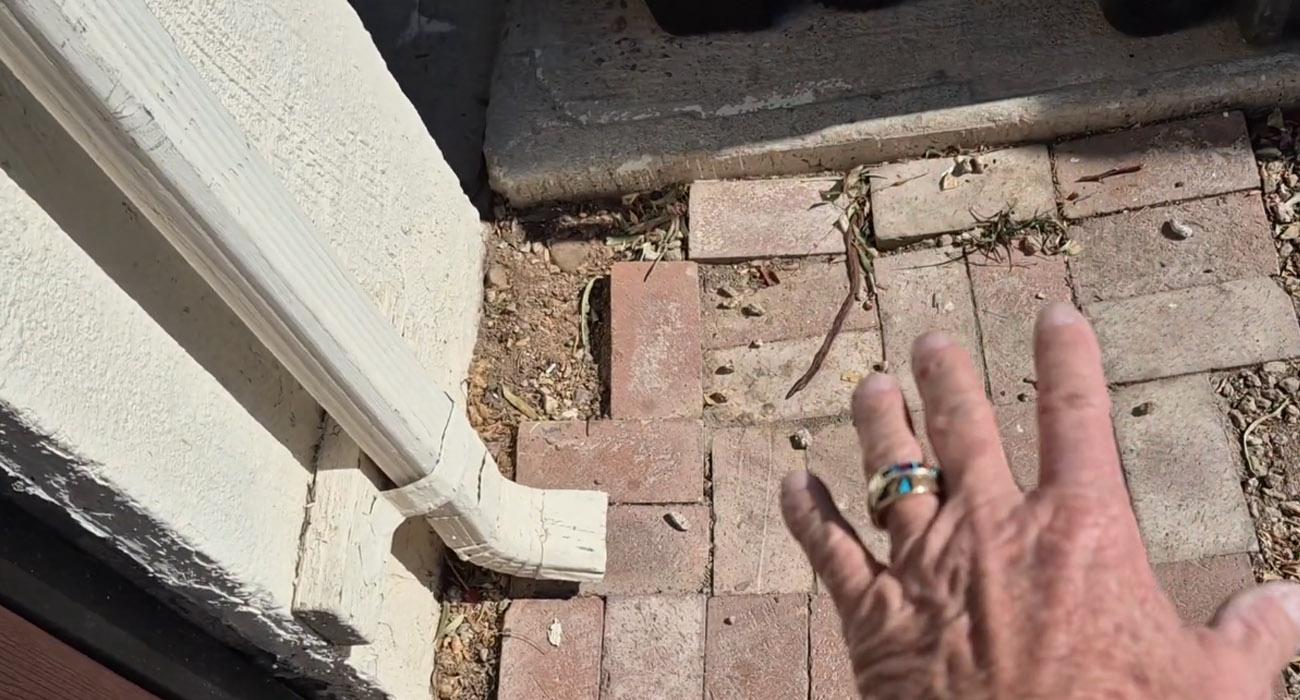
How Important Is a Foundation Inspection?
Summary Highlights Identify early signs of foundation settlement and structural damage Protect your home from costly long-term repairs Gain peace of mind before buying, selling, or remodeling Receive expert insights from a trusted Arizona foundation specialist A foundation inspection is one of the most important steps a homeowner can take to protect the structural integrity and long-term value of their home. At Concrete Repairman LLC, we frequently observe how early detection of foundation problems can prevent costly repairs and severe structural damage. Whether you own an older home, are buying or selling, or simply want peace of mind, a

What Does a Foundation Inspection Consist Of?
Summary Highlights Professional foundation inspections evaluate slabs, stem walls, soil conditions, and moisture levels Cracks, uneven floors, and sticking doors often indicate foundation settlement Arizona’s expansive clay soils make regular inspections especially important Early inspection helps prevent costly repairs and long-term structural damage A foundation inspection is a comprehensive evaluation of your home’s structural base, designed to identify early signs of foundation settlement, slab movement, soil instability, and moisture-related damage. At Concrete Repairman LLC, we perform detailed, evidence-based foundation inspections that go far beyond a simple visual check. Our goal is to determine whether cracks or movement are cosmetic
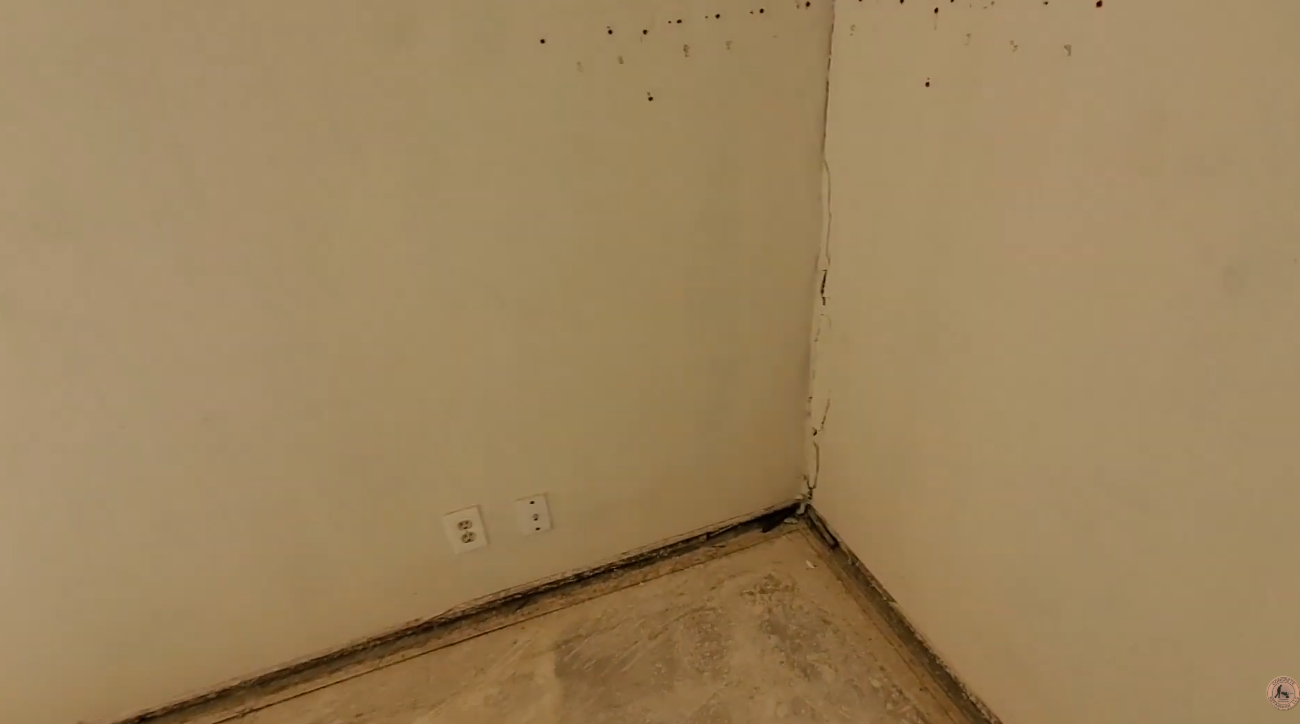
Why Do Some Homes Experience Sewer Backups From Leaning Foundation Walls? A Guide for Ahwatukee Homeowners
Blog Summary: Leaning foundation walls can misalign or damage sewer lines, causing backups Expansive clay soil, poor drainage, and hydrostatic pressure drive wall movement Sewer backups often signal deeper foundation settlement or wall failure Permanent foundation repair protects plumbing, structure, and property value At Concrete Repairman LLC, we regularly meet Ahwatukee homeowners who are shocked to learn that recurring sewer backups are not always caused by clogged pipes or aging plumbing. In many cases, the real issue starts at the foundation. Leaning or bowing foundation walls can place intense pressure on underground
What Does It Mean When My Floor Sags Over Time? Phoenix Foundation Repair Insights
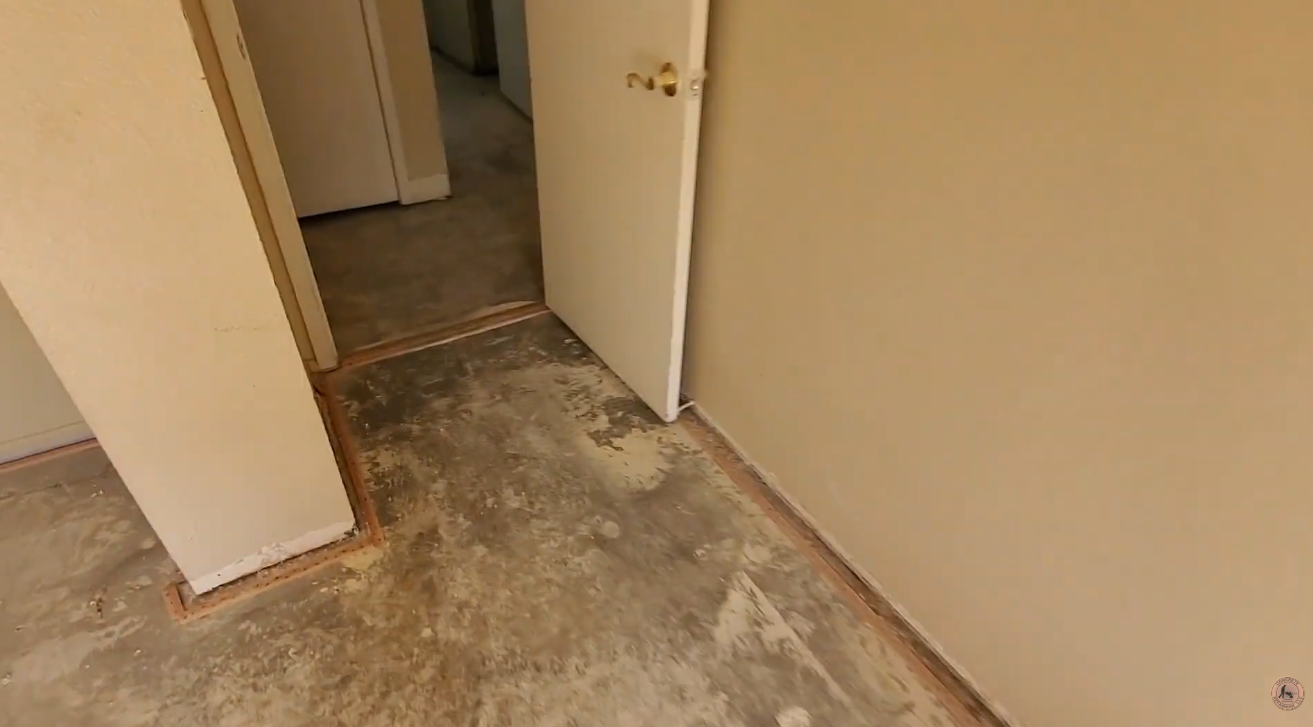
Blog Summary: Sagging or uneven floors indicate potential foundation problems. Cracks in walls, ceilings, and floors may worsen without intervention. Professional methods like helical piers, slab jacking, and carbon fiber reinforcement stabilize foundations. Early inspection and repair by Concrete Repairman LLC prevents major structural damage. As your home ages, small changes can indicate larger underlying problems. One common concern we see at Concrete Repairman LLC in Phoenix is floor sagging, which can be an early sign of structural settlement. Floor sagging is often caused by soil movement, particularly in areas like Arizona,
What Are the Early Warning Signs of Foundation Settlement? A Tempe Foundation Repair Expert Explains
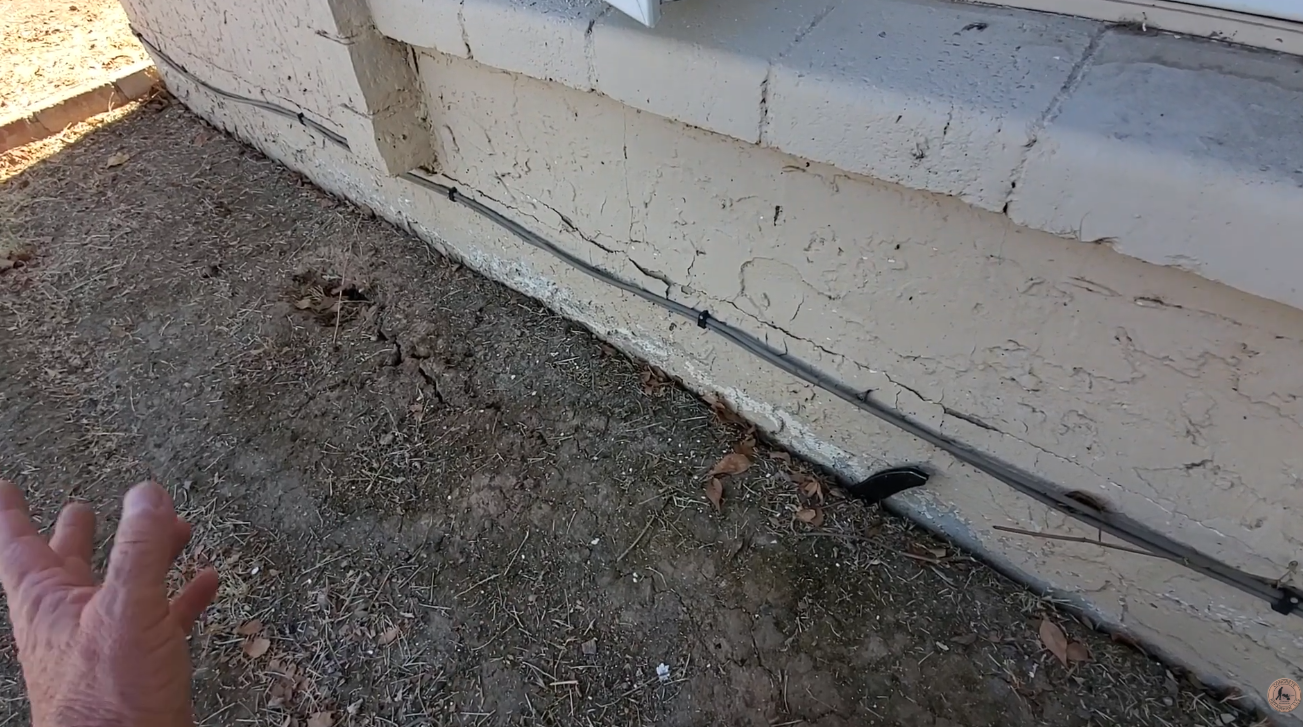
Blog Summary: Cracks in walls, floors, and foundation walls often signal early settlement Uneven floors and sticking doors indicate structural misalignment Moisture intrusion accelerates soil movement and foundation damage Early professional inspections help prevent costly foundation repairs Foundation settlement rarely happens overnight. In most cases, your home gives you subtle warning signs long before major structural damage occurs. At Concrete Repairman in Tempe, we’ve spent decades inspecting and repairing foundations across Arizona, and we’ve seen firsthand how early detection can save homeowners thousands in foundation repair costs. Understanding the early warning signs
Why Are My Foundation Walls Leaning? Understanding the Risks and Repair Options
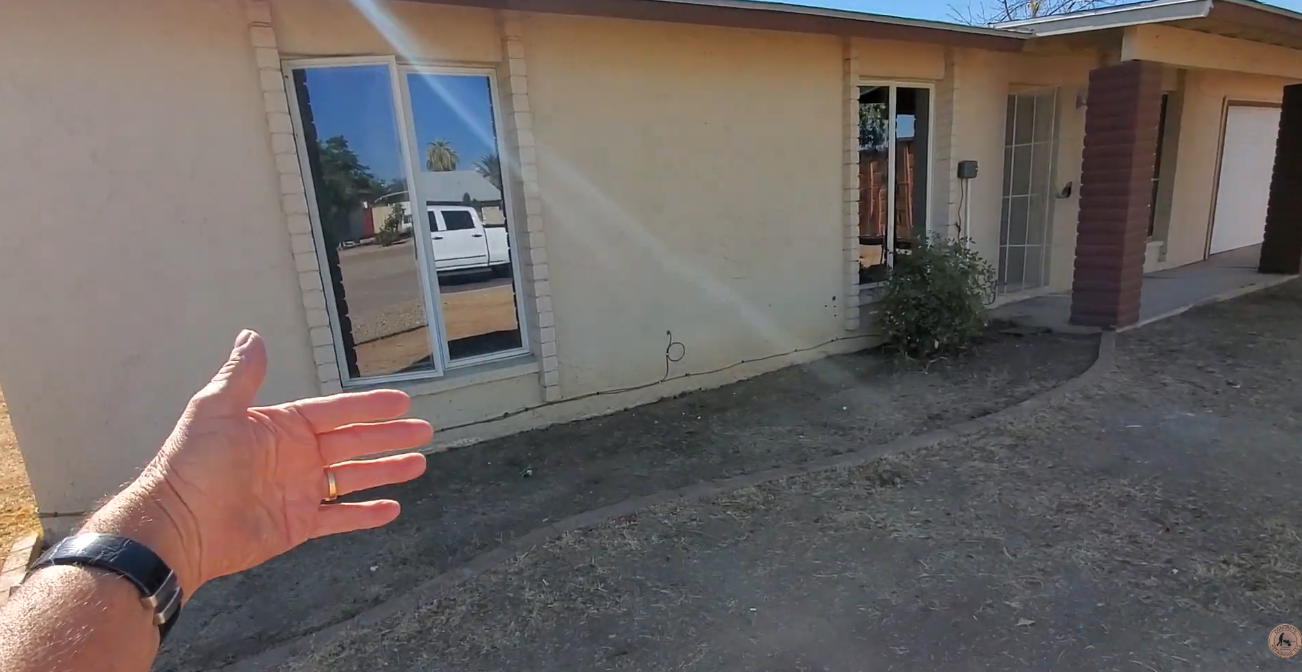
Blog Summary: Leaning foundation walls are often caused by soil movement, water damage, or structural stress. Early warning signs include cracks, sticking doors/windows, uneven floors, and bowing walls. Professional repair methods include helical piers, steel piers, concrete piers, carbon fiber reinforcement, and underpinning. Permanent solutions prevent further damage, increase home value, and provide long-term safety. When it comes to your home, foundation issues are not something you want to overlook. At Concrete Repairman LLC, we frequently get calls from homeowners noticing that their foundation walls are leaning or bowing. Understanding why this
Why Are My Doors and Windows Sticking? Understanding Slab Floor Cracks and Foundation Settlement
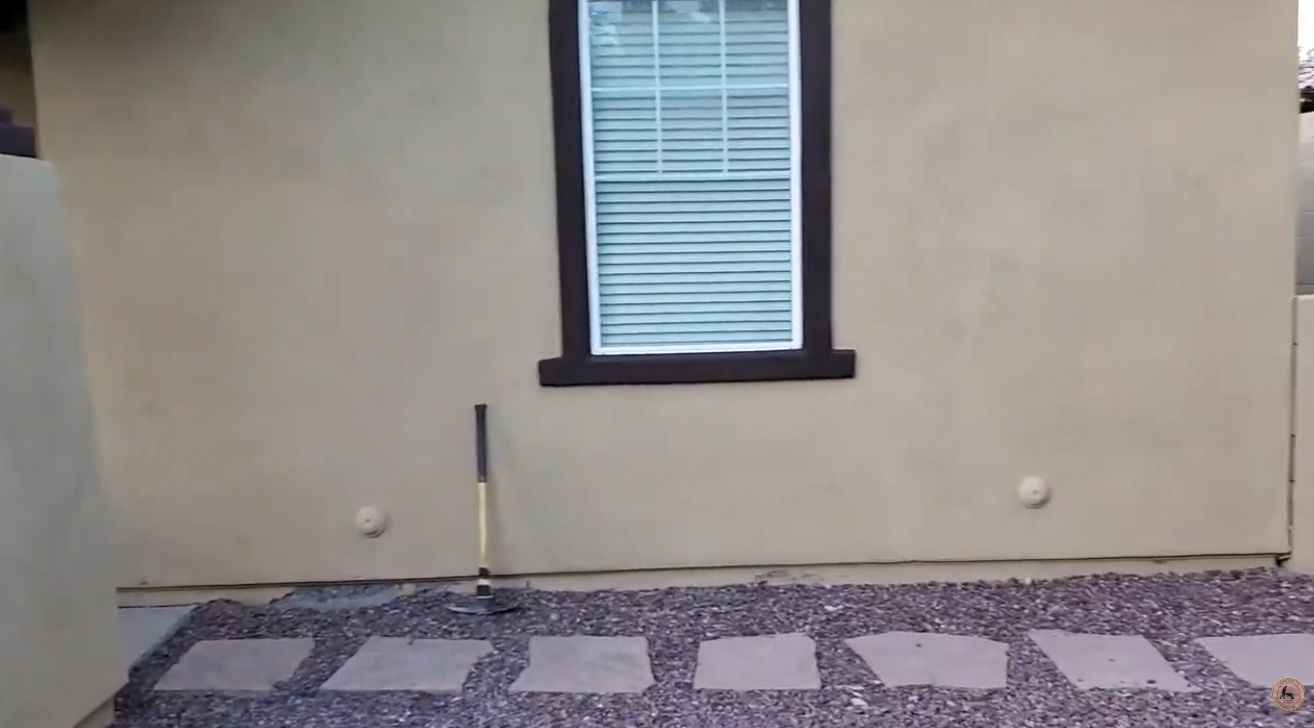
Blog Summary: Sticking doors and windows are often early signs of slab floor cracks and foundation settlement. Foundation settlement in Phoenix is commonly caused by expansive soils and moisture fluctuations. Professional repair methods include helical piers, concrete piers, carbon fiber reinforcement, and slab jacking. Concrete Repairman LLC provides expert inspections, permanent repairs, and lasting peace of mind for your home. A sticking door or window may seem minor, but at Concrete Repairman, we know it’s often one of the earliest signs of slab floor cracks or foundation settlement. I’m James Belville, owner
