


Page Summary
- Expansive soil can swell when wet and shrink when dry, creating movement that may crack slabs, separate walls, and damage foundations in Arizona properties.
- A foundation inspection before buying helps identify soil movement, drainage problems, post tension slab concerns, and visible structural warning signs.
- Proper moisture control, grading, landscape setbacks, and experienced foundation repair guidance help protect homes and commercial buildings from costly foundation damage.
Expansive soil for foundation performance is one of the most important issues Arizona home buyers, commercial property owners, real estate professionals, and investors should understand before closing on a property. In many areas of Phoenix and surrounding communities, the ground beneath a slab can change with moisture. When clay rich soil absorbs water, it expands. When the same soil dries, it contracts. That repeated movement can place stress on concrete slabs, footings, stem walls, masonry, interior finishes, plumbing penetrations, and exterior flatwork.
Arizona may look dry on the surface, but foundation movement often begins below grade where irrigation, roof runoff, poor drainage, plumbing leaks, monsoon storms, and seasonal moisture changes affect the soil. A property can look clean during a showing and still have conditions that increase the risk of future foundation settlement, heave, or cracking. That is why a foundation inspection before buy decisions matters, especially in areas with known expansive clay, former agricultural land, river terrace deposits, or varied soil conditions.
For buyers, the key question is not only whether the property looks good today. The better question is whether the soil, drainage, slab, visible cracks, moisture patterns, and construction details show signs of movement that could become expensive after ownership transfers.
You can find pockets of places with expansive soil throughout the Phoenix Metro area. For realtors and real estate investors, this becomes a serious problem because you can buy a potential home without realizing that you will have many problems with it later down the road. The Phoenix, Gilbert and Mesa areas have all had homes built over former farmland. The farmland does help the soil because when it had been farmland, it received ongoing watering and drying for the crops. That activity helped to eliminate some of the expansive soil so that homeowners do not have as many problems. Nevertheless, you still have to be careful. A soil inspection from the Concrete Repairman can help you avoid paying a fortune later.
Tips for the Phoenix and Tucson Areas
Similar to the Tucson, Arizona, location, you will often find that Phoenix’s lower areas or valleys suffer from expansive soils. If you are in the Catalina Foothills or Mount Lemmon areas in Tucson, for example, you should understand that you will be dealing with silty and sandy areas that can be collapsible. Likewise, if you plan on moving into a valley-like area in Phoenix, you should first check for expansive soils. You cannot expect the people selling the home or property to tell you about it. One of the common signs of soil expansion would be if you see anything slowly moving away from the house.
Expansive Soils in the Phoenix Area
The expansive soils of Phoenix will shrink or swell in the terraces along the Salt and Gila Rivers. Beware of old alluvial fan surfaces and valley plains in Phoenix as well. You can check the US Natural Resources Conservation Service, which you can find online. It can give you a view of the area soils you might be moving into that might harm your home’s foundation. If you choose a home in the South of I-10 in Phoenix, you should be cautious of expansive soil. Many homes in Arizona have suffered damage to the foundation because of the expansive soil that sits beneath the home and causes problems. Cracked foundations and stem walls cost people millions of dollars in yearly repairs. Worse, homeowner’s insurance will not normally cover these repairs, so you must pay out of pocket.
Why Phoenix Uses Post-Tension Slabs
Phoenix has sometimes used post-tension slabs to deal with expansive soil. A post-tension slab creates a monolithic slab that is stronger than your typical slab and is poured in stages for maximum strength. However, post-tension slabs have been used throughout the country where the soil has problems. Gilbert, Arizona, for example, would be another location covered with expansive soil and needs post-tension slabs. They will resist the movement of soil. This slab will protect your investment if the soil exhibits a high swelling or shrinking potential.
How Post-Tension Slabs Get Created
Concrete can perform extraordinarily well under compression, but it does not do as well when under tension. For this reason, post-tension slabs will use cables that have been stretched with hydraulic jacks that can withstand more than 25,000 psi. They will also be clamped near the ends. As a result, a post-tension slab works with its strengths of creating compression. The designers create a stronger and more reliable foundation and slab.
Positioned in the slab at the right distance and height, the cone-shaped supports help to put it in the right place. Because of the plastic coating, the cables can move within the slab independently, which leads to greater flexibility. After you have poured the concrete, and it has reached 75 percent of the required strength, you will add a hydraulic jack.
How Can You Tell if Your Home Has a Post-Tension Slab?
Because the cables have been stretched to guarantee the best strength, you do not want to chisel, drill, or cut anything that exposes the cables. If you want to identify a home with a post-tension slab, check the edge of your garage near the door. You will see a stamped warning on the concrete. That means that you have a post-tension slab.
What if Your Home Does Not Have a Post-Tension Slab?
This would not be surprising because most houses in the Phoenix area do not have post-tension slabs. Some home builders have chosen not to use this construction method if the home sits in a low-risk area. Others avoid it because it costs more, but if you are a realtor who chooses this construction method, it will add greater strength and value to the home. A good inspector, such as the experts at Concrete Repairman, can become a great source of information for post-tension slabs.
Protecting Your Foundation
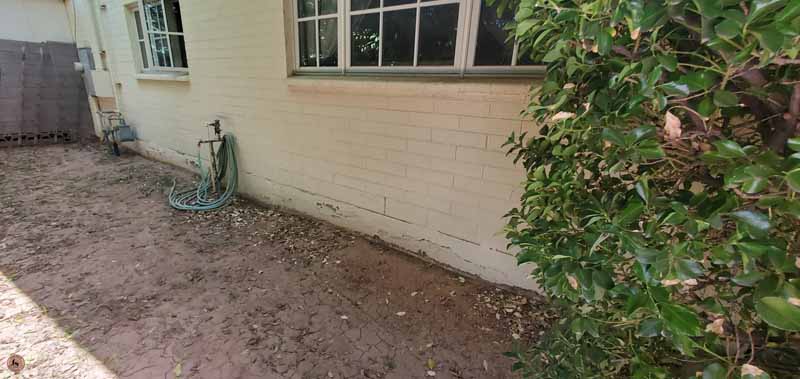
Here at Concrete Repairman, we advise customers to keep landscaping and sprinklers a minimum of 12 to 24 inches away from the side of the house because if the moisture gets into the concrete or in the soil, it can start to cause problems. Being aware of it would be the first step if you have expansive soil under your home. The second step would be taking a proactive approach to avoid letting it damage your home’s foundation. A highly qualified inspector can also help you keep your foundation safe. We can tailor tips that will work specifically for protecting your Phoenix home.
In some parts of the state, such as Phoenix, the soil has a clay-like tendency that can cause many issues for realtors and property investors. Having an inspection done before you buy can save you a fortune. Consider the full implications of buying a home on expansive soil ahead of time—expansive soil in the United States has done more damage to homes than earthquakes, floods, tornadoes, and hurricanes combined.
FAQs About Your Foundation – Know Before You Buy
Why Trust Concrete Repairman
James Belville – Foundation Repairman™ – 480-725-7614
At Concrete Repairman LLC, we are proud to be a third generation foundation repair company with over 30 years of hands on experience. Led by James Belville, a master in concrete foundation repair, our team has served homeowners in Phoenix, Arizona, with unparalleled expertise and dedication. Floor grinding outcomes depend on the right tooling, a controlled approach, and understanding how the surface preparation affects the next finish system. Experience also matters when grinding intersects with broader slab performance concerns such as settlement, cracking, and edge movement.
Concrete Repairman LLC. Roc 300512 Licensed-Bonded-Insured Contractors of Arizona.

A Legacy of Excellence in Foundation Repair
With over 30 years of hands-on experience, James Belville and the team at Concrete Repairman LLC have established themselves as trusted experts in foundation repair throughout the Phoenix Metro Area, serving communities like Ahwatukee, Mesa, Chandler, Scottsdale, and beyond. Our reputation for delivering high-quality repair solutions is rooted in our unwavering commitment to excellence, ensuring that every project is completed with the utmost precision and care.
At Concrete Repairman LLC, we pride ourselves on being fully licensed, bonded, and insured, offering peace of mind to homeowners who entrust us with their foundation repairs. Our team of professionals prioritizes safety, quality workmanship, and complete customer satisfaction. We stand behind every repair with industry-leading warranties, demonstrating our confidence in the long-lasting durability of our services. Whether addressing small cracks or more significant foundation issues, we are committed to protecting the integrity of your home.
One of the common issues we encounter in Arizona foundations is efflorescence, a crystalline deposit caused by moisture intrusion. While it may appear harmless initially, efflorescence can be a warning sign of underlying problems such as cracks, stem wall deterioration, or basement moisture. Left unchecked, these issues can lead to significant structural damage. Our team specializes in diagnosing and repairing these moisture-related concerns, offering tailored solutions that prevent further damage and maintain your home’s long-term stability.
At Concrete Repairman LLC, call our Foundation Repair office in the Greater Phoenix Metro Area, including Gilbert, Glendale, Queen Creek, and Sun City. If you suspect foundation damage or want to protect your home from potential issues, contact us at (602) 418-2970. Our expert team is ready to inspect thoroughly and offer the best repair solutions to safeguard your home for years.
