


Page Summary
- Concrete resurfacing refreshes worn driveways, patios, sidewalks, garage floors, and pool decks without breaking out and repouring the slab when the base concrete remains structurally sound.
- Surface preparation includes power washing, removal of loose material, crack and blemish filling, and bonding focused steps to support overlay adhesion and long term durability.
- Cement based overlay systems with bonding agents create a smooth, customizable finish, improve curb appeal, and offer options such as decorative looks and slip resistance.
Concrete resurfacing can make a powerful first impression when it comes to the look and feel of your property. No matter how often we are told not to judge a book by its cover or to ignore physical details, as humans, we are attracted to aesthetically pleasing surfaces and put off by dirty, worn-out, and damaged surfaces. As a homeowner, you know the importance of curb appeal, not only for real estate purposes but also for keeping the home in good condition. Repairing broken concrete can cost a lot of money and be extremely time-consuming. If you are dealing with a mildly damaged or worn-out driveway, patio, or sidewalk, you do not have to break up the old concrete and have it re-poured. This is where concrete resurfacing comes in to save the day.
Concrete resurfacing allows you to refresh your surfaces without the need for full demolition, making it a smarter choice for budget-conscious homeowners. The process can cover minor imperfections while improving the look and feel of your property in just a fraction of the time. By choosing this method, you can extend the lifespan of your concrete areas and avoid costly replacements.
In addition to improving aesthetics, resurfacing can also enhance functionality. For example, you can select finishes that add slip resistance or create a more modern, polished look. Whether it’s for your driveway, pool deck, or patio, concrete resurfacing offers flexibility in style, durability, and performance.
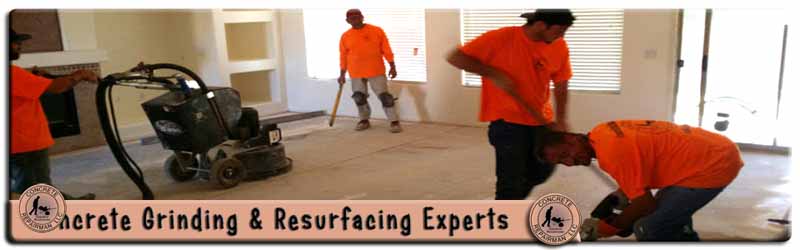
How Does It Work?
If you were to traditionally fix a damaged concrete slab, you would need to break up the old surface and remove all the material. This is tiring and very time-consuming. New concrete is then poured in for the new surface. This is a very labor-intensive process and can be very expensive, especially if it covers a large area. The difference between the traditional process and concrete resurfacing is that resurfacing uses the existing concrete structure as the base. The concrete resurfacing material goes directly on top of the existing concrete area.
The process starts with evaluating the condition of the concrete to ensure it’s structurally sound. Once confirmed, the surface is cleaned and repaired as needed before applying the overlay. This streamlined approach eliminates the mess and downtime of traditional replacements, allowing homeowners to enjoy their renewed surfaces sooner.
Another advantage is that concrete resurfacing minimizes waste. By working with your existing surface, you reduce landfill waste and the environmental impact of disposing of large chunks of concrete. This makes resurfacing not only cost-effective but also eco-friendly.
How Do You Prep The Area For Concrete Resurfacing?
The area that needs to be resurfaced should be clean with no loose concrete or other debris around it. Power washing the surface can be very helpful in removing loose and flaky concrete or any other fragments that are left behind. If you plan on washing the surface with any soap or chemicals, ensure you thoroughly clean the surface. Soap or chemicals may negatively affect the way your concrete resurfacing material adheres. Extraneous material or dirt can also interfere with how the resurfacing material adheres to the surface. All cracks and blemishes on the surface should be covered with repair material to create a smooth canvas for the resurfacing material. The resurfacing material is then poured over the area and spread evenly to create a smooth finish. After the new concrete dries, it will leave a smooth and beautiful new floor. Although your new driveway or garage floor will now be smooth, this may make them slippery if wet. What we can do to prevent that is to add non-slip coatings. The surface can also be enhanced with any desired decorative treatments.
Proper preparation is critical because it determines the longevity and durability of the resurfacing. Skipping this step or doing it poorly can lead to peeling, cracking, or an uneven finish. This is why professionals spend significant time on surface prep before applying the overlay.
Depending on the type of finish you want, additional prep steps like etching or applying a bonding agent may be required. These techniques help the new layer adhere more effectively, ensuring a flawless, long-lasting result.
What Is Concrete Resurfacing Made From?
Simply put, concrete resurfacing is a thin cement-based overlay mixed with special bonding agents. It is poured over existing concrete and adheres to create a beautiful and smooth new surface. As your new surface dries, it gets stronger and more durable. You want to wait at least 24 hours before driving on it.
This overlay mixture is specifically formulated to be flexible yet strong, allowing it to withstand temperature changes, foot traffic, and normal wear. The bonding agents are the key to making sure the new layer attaches securely to your existing concrete.
In some cases, additives like color pigments or decorative chips can be mixed into the resurfacing material. These options allow for a more customized appearance, giving your property a unique and stylish finish that goes beyond plain gray concrete.
What Are The Benefits Of Concrete Resurfacing?
Apart from saving you money and revamping your old and worn-out driveway or patio, concrete resurfacing has many other benefits. We went into detail about it in this blog post about the benefits of concrete resurfacing. In short, concrete resurfacing is easier than breaking apart old concrete and pouring it all over again, it saves time and money, it is resilient to future wear and tear, it allows for custom finishes and it gives you smooth and beautiful new surfaces in and around your home.
Another major benefit is that it can dramatically improve property value and curb appeal. A well-maintained driveway or patio creates a welcoming look, which can be especially important if you’re preparing to sell your home.
Additionally, resurfacing can be tailored to your specific needs—whether that’s creating a non-slip pool deck for safety or designing a modern, stained driveway that complements your home’s exterior. The versatility of this process is one of its strongest selling points.
Does My Surface Qualify For Concrete Resurfacing?
Concrete resurfacing works best in areas with minor damage. If your floors have large holes or extreme damage, you may want to look into repairing them first. Concrete resurfacing can’t fix structural problems. If you pour concrete resurfacing over major cracks, eventually, they will show up through your new surface, and you will have to deal with them all over again.
Before starting the process, an inspection should be done to evaluate the structural integrity of the concrete. Small cracks repair and chips can be repaired easily, but deep structural issues need to be addressed beforehand.
If your surface passes inspection, resurfacing can be an excellent investment. It not only restores the look of your concrete but also strengthens it, helping you avoid bigger repair costs in the future.
FAQs About Concrete Resurfacing
Why Trust Concrete Repairman
James Belville – Foundation Repairman™ – 480-725-7614
At Concrete Repairman LLC, we are proud to be a third generation foundation repair company with over 30 years of hands on experience. Led by James Belville, a master in concrete foundation repair, our team has served homeowners in Phoenix, Arizona, with unparalleled expertise and dedication. Floor grinding outcomes depend on the right tooling, a controlled approach, and understanding how the surface preparation affects the next finish system. Experience also matters when grinding intersects with broader slab performance concerns such as settlement, cracking, and edge movement.
Concrete Repairman LLC. Roc 300512 Licensed-Bonded-Insured Contractors of Arizona.

A Legacy of Excellence in Foundation Repair
With over 30 years of hands-on experience, James Belville and the team at Concrete Repairman LLC have established themselves as trusted experts in foundation repair throughout the Phoenix Metro Area, serving communities like Ahwatukee, Mesa, Chandler, Scottsdale, and beyond. Our reputation for delivering high-quality repair solutions is rooted in our unwavering commitment to excellence, ensuring that every project is completed with the utmost precision and care.
At Concrete Repairman LLC, we pride ourselves on being fully licensed, bonded, and insured, offering peace of mind to homeowners who entrust us with their foundation repairs. Our team of professionals prioritizes safety, quality workmanship, and complete customer satisfaction. We stand behind every repair with industry-leading warranties, demonstrating our confidence in the long-lasting durability of our services. Whether addressing small cracks or more significant foundation issues, we are committed to protecting the integrity of your home.
One of the common issues we encounter in Arizona foundations is efflorescence, a crystalline deposit caused by moisture intrusion. While it may appear harmless initially, efflorescence can be a warning sign of underlying problems such as cracks, stem wall deterioration, or basement moisture. Left unchecked, these issues can lead to significant structural damage. Our team specializes in diagnosing and repairing these moisture-related concerns, offering tailored solutions that prevent further damage and maintain your home’s long-term stability.
At Concrete Repairman LLC, call our Foundation Repair office in the Greater Phoenix Metro Area, including Gilbert, Glendale, Queen Creek, and Sun City. If you suspect foundation damage or want to protect your home from potential issues, contact us at (602) 418-2970. Our expert team is ready to inspect thoroughly and offer the best repair solutions to safeguard your home for years.
