


Page Summary
- Carbon Fiber Rust Free Rebar is FRP composite reinforcement, including carbon fiber, basalt fiber, and GFRP, used to reinforce concrete without corrosion.
- Steel rebar oxidation expands inside concrete and contributes to cracking and spalling, while rust free composite rebar helps avoid corrosion driven deterioration and repeated maintenance cycles.
- Lightweight, high strength reinforcement supports residential foundations and commercial concrete work, with applications that include slabs, walls, parking structures, marine exposed concrete, and infrastructure.
Concrete durability depends on two things working together, the concrete itself and the reinforcement inside it. For decades, steel rebar has been the standard for reinforced concrete because it adds tensile strength where concrete is naturally weaker. The problem is that steel is vulnerable to corrosion. When steel reinforcement oxidizes inside concrete, it can expand and create internal pressure that leads to cracking, spalling, and long term structural deterioration. In many cases the damage is not obvious until cracks appear and repairs become disruptive and expensive.
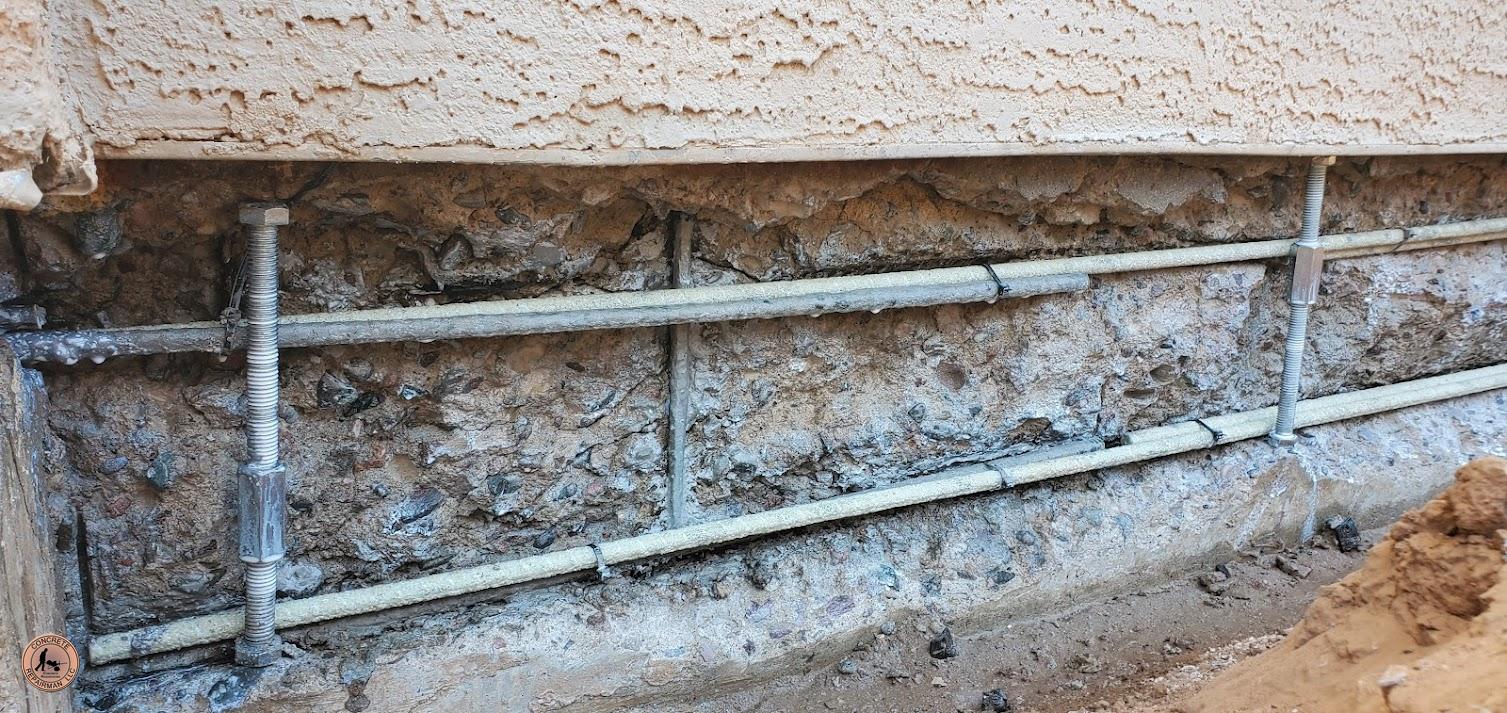
Carbon Fiber Rust Free Rebar refers to corrosion resistant reinforcement options in the fiber reinforced polymer category, including carbon fiber, basalt fiber, and GFRP. The page content explains how rust free composite rebar avoids the oxidation cycle that affects steel and provides a long life alternative for foundation repair and concrete construction in Arizona and other demanding environments.
The Future of Corrosion-Resistant Reinforcement
Carbon fiber rust free rebar is revolutionizing the construction industry with its unmatched corrosion resistance, long-term durability, and sustainability benefits. Unlike traditional steel rebar, this advanced composite will never corrode or rust, making it the perfect steel replacement in applications where strength and longevity are essential. Whether for commercial buildings, residential foundations, bridges, or marine structures, carbon fiber rebar offers a maintenance-free solution that outperforms conventional reinforcement.
In today’s construction market, rebar options are no longer limited to plain steel. Builders can choose from steel, steel/basalt hybrids, basalt fiber, and carbon fiber—each with unique properties. However, for projects that demand maximum lifespan and corrosion resistance, carbon fiber and other fiber-reinforced polymer (FRP) rebars stand out as the most reliable options.
Why Switch from Steel to Carbon Fiber and FRP Rebar?
The Problem with Steel Rebar
Steel rebar has long been the industry standard for concrete reinforcement due to its strength and availability. However, steel is prone to oxidation when exposed to moisture and chlorides. Over time, rusting steel expands inside the concrete, causing cracks, spalling, and structural deterioration. This not only compromises safety but also leads to expensive repairs and maintenance.
Once steel rebar begins to corrode, the damage is often hidden beneath the surface until cracks become visible. By the time this happens, the internal structure of the concrete may already be significantly weakened, requiring costly demolition and replacement. This is particularly problematic in bridges, parking structures, and high-rise buildings where repair logistics are complex and expensive.
In addition, the maintenance cycle for steel-reinforced structures is frequent and ongoing. Protective coatings, sealants, and cathodic protection systems can extend the lifespan of steel rebar, but these methods add to overall project costs and require skilled labor to apply effectively. Over decades, these expenses can surpass the cost of using corrosion-resistant alternatives from the start.
The Benefits of Rust-Free Alternatives
Carbon fiber and basalt fiber rebar solve these problems by eliminating corrosion altogether. These composite materials do not react with water or chemicals in the environment, making them ideal for coastal, humid, or freeze-thaw conditions. In addition to corrosion resistance, they are lightweight, easy to handle, and often stronger in tensile performance compared to steel.
Because they are significantly lighter than steel, these materials reduce transportation costs and make on-site handling more efficient. Workers can cut and shape them with standard tools, eliminating the need for specialized cutting equipment. This means faster installation and fewer labor hours, which translates to substantial savings in large-scale construction projects.
From a long-term investment perspective, rust-free alternatives offer superior durability and lower lifetime maintenance costs. Structures reinforced with these materials require fewer repairs, experience less downtime, and maintain their structural integrity for decades. This makes them an excellent choice for infrastructure projects, marine applications, and any environment where corrosion poses a persistent threat.
Basalt Fiber Rebar – A Strong, Non-Corrosive Option
What is Basalt Fiber?
Basalt fiber is made from volcanic rock, which is melted and drawn into continuous filaments. These fibers are then embedded into a polymer matrix to create a rebar that is non-corrosive, moisture-resistant, and thermally stable.
Typical basalt fiber diameter ranges from 9 to 13 mm, and the resulting rebar exhibits excellent tensile strength, fatigue resistance, and thermal stability.
Unlike steel, basalt fiber rebar will not rust, swell, or compromise the surrounding concrete over time, even in harsh environmental conditions. Its natural composition makes it eco-friendly and sustainable, while its durability reduces long-term maintenance costs for structures such as bridges, marine piers, and foundations.
Additionally, basalt fiber has a high resistance to alkalis and acids, ensuring its performance remains consistent even in chemically aggressive environments. This makes it an ideal choice for wastewater treatment plants, coastal defense systems, and any project where structural longevity is a priority.
Applications of Basalt Fiber in Construction
Basalt fiber rebar can be used in:
- Bridge decks exposed to de-icing salts
- Arched tunnel linings
- Marine structures
- Parking garages
- Pool decks
Its ability to withstand freeze-thaw cycles makes it especially valuable in cold climates, while its resistance to saltwater corrosion makes it ideal for coastal construction.
Steel vs. GFRP Rebar
GFRP (Glass Fiber Reinforced Polymer) Rebar
Glass Fiber Reinforced Polymer (GFRP) rebar is a lightweight, rust-free, and waterproof alternative to steel. It can be applied to both concrete and steel foundation walls without risk of corrosion. Unlike steel, GFRP does not require epoxy coating or special treatments to resist rust.
Its high tensile strength—often exceeding that of steel—makes it ideal for applications where weight reduction and durability are key. Because it is non-magnetic, GFRP is also suitable for use in facilities that require electromagnetic transparency, such as MRI rooms, research labs, and certain military installations.
In addition, GFRP rebar is resistant to chloride penetration, alkali attack, and freeze-thaw cycles, making it a dependable choice for marine environments, coastal construction, and infrastructure exposed to deicing salts. Its low thermal conductivity also reduces the risk of thermal bridging, which can help improve the overall energy efficiency of a structure.
Advantages Over Steel
- No corrosion or oxidation
- Lightweight for easier handling
- Higher tensile strength-to-weight ratio
- Longer service life
GFRP rebar also comes with lifetime warranties from reputable suppliers like Concrete Repairman LLC, ensuring long-term protection for your investment.
Cost Benefits of Carbon Fiber Rust Free Rebar
Lower Long-Term Maintenance Costs
While the upfront cost of carbon fiber rebar can be higher than steel, the savings over time are significant. Because it will never rust, there’s no need for costly repairs or replacements caused by corrosion damage.
In large-scale projects like bridges, parking structures, and coastal buildings, corrosion-related repairs can account for millions of dollars over the lifespan of the structure. Carbon fiber rebar eliminates this recurring expense, resulting in substantial budget savings for municipalities and developers alike.
Additionally, the structural integrity of carbon fiber rebar remains consistent over decades, reducing the need for inspections, patchwork, and reinforcements. This ensures that project timelines and budgets stay on track without surprise maintenance issues.
For property owners and government agencies, the predictable performance of carbon fiber rebar translates to long-term value and peace of mind, as structures maintain their original strength without degradation from environmental factors.
Energy and Labor Savings
Products like BasaFlex™ and GatorBar FYP are not only stronger than steel but also much lighter. This reduces shipping costs and makes installation faster and less labor-intensive. Crews can handle and cut the material without heavy machinery, improving job site efficiency.
Because the rebar is easier to handle, smaller teams can complete the same amount of work in less time, reducing labor expenses significantly. This is particularly beneficial in remote or hard-to-access construction sites where workforce availability is limited.
The reduced weight also means less fuel consumption for transportation, making it an eco-friendly choice that aligns with green building practices. Contractors can load more material per trip without exceeding weight limits, further cutting logistics costs.
In high-rise or large-scale construction, the easier handling of carbon fiber rebar speeds up installation and minimizes fatigue for workers, creating a safer and more productive work environment.
BasaFlex™ and GatorBar FYP – Leading FRP Solutions
BasaFlex™ Rebar
BasaFlex™ is an affordable, noncorrosive rebar made from a basalt fiber and polymer composite. It offers:
- Corrosion resistance in any environment
- Three times the tensile strength of steel
- Lightweight handling
- Eco-friendly manufacturing
GatorBar FYP
GatorBar FYP is a high-performance rebar that uses a proprietary manufacturing process to achieve ultra-strength without the need for coatings or treatments.
Benefits include:
- Reduced energy consumption during production
- No special waterproofing required
- Lower carbon footprint compared to steel manufacturing
FAQs About Carbon Fiber Rust Free Rebar
Why Trust Concrete Repairman
James Belville – Foundation Repairman™ – 480-725-7614
At Concrete Repairman LLC, we are proud to be a third generation foundation repair company with over 30 years of hands on experience. Led by James Belville, a master in concrete foundation repair, our team has served homeowners in Phoenix, Arizona, with unparalleled expertise and dedication.
Reinforcement selection affects how long a repair lasts. Corrosion driven concrete damage is a common cause of recurring cracks and spalling in stem walls and foundation components. Understanding when rust free composite reinforcement is appropriate, and how it fits into a full repair plan that also manages moisture exposure, supports more durable outcomes for residential and commercial clients.
Concrete Repairman LLC. Roc 300512
Licensed-Bonded-Insured Contractors of Arizona.

What clients can expect
- Clear explanation of reinforcement and corrosion related damage mechanisms
- Practical recommendations for repair materials and durability
- Repair planning that considers moisture exposure and long term maintenance needs
- Options suitable for both home service work and commercial structures
A Legacy of Excellence in Foundation Repair
With over 30 years of hands-on experience, James Belville and the team at Concrete Repairman LLC have established themselves as trusted experts in foundation repair throughout the Phoenix Metro Area, serving communities like Ahwatukee, Mesa, Chandler, Scottsdale, and beyond. Our reputation for delivering high-quality repair solutions is rooted in our unwavering commitment to excellence, ensuring that every project is completed with the utmost precision and care.
At Concrete Repairman LLC, we pride ourselves on being fully licensed, bonded, and insured, offering peace of mind to homeowners who entrust us with their foundation repairs. Our team of professionals prioritizes safety, quality workmanship, and complete customer satisfaction. We stand behind every repair with industry-leading warranties, demonstrating our confidence in the long-lasting durability of our services. Whether addressing small cracks or more significant foundation issues, we are committed to protecting the integrity of your home.
One of the common issues we encounter in Arizona foundations is efflorescence, a crystalline deposit caused by moisture intrusion. While it may appear harmless initially, efflorescence can be a warning sign of underlying problems such as cracks, stem wall deterioration, or basement moisture. Left unchecked, these issues can lead to significant structural damage. Our team specializes in diagnosing and repairing these moisture-related concerns, offering tailored solutions that prevent further damage and maintain your home’s long-term stability.
At Concrete Repairman LLC, call our Foundation Repair office in the Greater Phoenix Metro Area, including Gilbert, Glendale, Queen Creek, and Sun City. If you suspect foundation damage or want to protect your home from potential issues, contact us at (602) 418-2970. Our expert team is ready to inspect thoroughly and offer the best repair solutions to safeguard your home for years.
