


Page Summary
- Foundation inspections uncover structural and moisture related risks that a standard home inspection can miss, including settlement, crack patterns, and drainage driven movement.
- Interior and exterior checks focus on floor elevation changes, concrete cracking, door and window fit, wall distress, and site conditions like grading, irrigation, and water runoff.
- A written inspection report supports buyer decisions, financing and insurance requirements, and price negotiations, while clarifying seller disclosure responsibilities in Arizona.
Buying a home in Arizona should feel exciting, not uncertain. One of the most important steps you can take before closing is an inspection of the foundation before buying a home, especially in the Phoenix area where soil movement, drainage patterns, and moisture exposure can create expensive structural surprises. A foundation inspection focuses specifically on the slab, stem wall, load bearing conditions, and the visible signs that indicate movement, heave, settlement, or water intrusion. It gives you clear observations to help you decide whether to proceed, renegotiate, budget for repairs, or request additional evaluation.
A seller may provide disclosures, and those disclosures matter, but disclosures are not a substitute for a professional foundation inspection. A foundation is the structural baseline for everything else in the house. When the foundation is compromised, you can see ripple effects throughout the building, including drywall cracking, tile failure, door misalignment, window sticking, and moisture damage. Identifying those risks early protects your investment and helps you make an informed purchase decision.
Under Arizona state law, sellers have a legal obligation to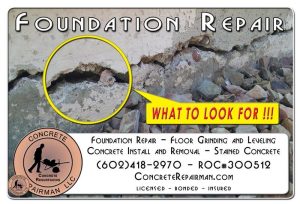 disclose all information about property defects. However, you still want to hire a professional inspector because the seller may not know about issues with the foundation. Considering a foundation repair can cost up to $12,000, you do not want to risk a major expense.
How a Foundation Inspection Benefits Real Estate Investors
If you are a real estate investor, having a foundation contractor give a detailed and written report on the foundation before you buy can help you avoid a bad situation. You may also want an inspection report because you will need full documentation throughout the mortgage process. Lenders could require repairing damage to the foundation before they approve a loan.
Difference between Foundation Inspection and Home Inspection
The greatest difference between foundation and home inspections is that our experts will have higher specialization. We can conduct a more comprehensive inspection of the foundation. That ensures you do not waste your money on a home with a poor foundation. Here at ConcreteRepairman.com, we look at the following factors when conducting a foundation inspection:
- Does the Foundation Comply with the Building Code?
- Does the Foundation Need Modifications or Foundation Repair?
- Will the Foundation Perform Its Intended Purpose?
A foundation report includes information about the interior of the foundation. The inspector will examine the elevation levels and make sure that they remain consistent. In addition, they can isolate internal cracks to decide on the threat level. The internal examination will also test how the vents, windows and doors fit in the home. Our experts will assess the integrity of your concrete flooring and walls. Finally, we look for weak areas that will foster mold and water damage.
We also conduct an external examination where we look at the water drainage, irrigation and landscaping. If we see cracks or fissures on the walls, this shows us that the home has need of foundation repair. In addition, we look for buckling walls, degraded building materials and crumbling walls.
What Can You Do with an Inspection Report?
As a real estate investor, you should understand your rights. If you pay for an inspection that uncovers damage to the foundation, you could be entitled to reimbursement for the foundation inspection cost. While a home seller does have a legal obligation to disclose information about damage to the foundation, they do not have to fix it.
If you have a seller who refuses to cover the foundation repair cost, it gives you the upper hand in negotiation. As a result, you can push for a lower asking price. Ignoring the issue will not make it go away. Lenders and insurance carriers often require repairs to the foundation. Your real estate agent can help you understand the responsibilities. After the experts at Concrete Repairman give an inspection, we make recommendations on repairs and offer assistance.
FAQs About Foundation Inspections
Why Trust Concrete Repairman
James Belville – Foundation Repairman™ – 480-725-7614
At Concrete Repairman LLC, we are proud to be a third generation foundation repair company with over 30 years of hands on experience. Led by James Belville, a master in concrete foundation repair, our team has served homeowners in Phoenix, Arizona, with unparalleled expertise and dedication. Floor grinding outcomes depend on the right tooling, a controlled approach, and understanding how the surface preparation affects the next finish system. Experience also matters when grinding intersects with broader slab performance concerns such as settlement, cracking, and edge movement.
Concrete Repairman LLC. Roc 300512 Licensed-Bonded-Insured Contractors of Arizona.

A Legacy of Excellence in Foundation Repair
With over 30 years of hands-on experience, James Belville and the team at Concrete Repairman LLC have established themselves as trusted experts in foundation repair throughout the Phoenix Metro Area, serving communities like Ahwatukee, Mesa, Chandler, Scottsdale, and beyond. Our reputation for delivering high-quality repair solutions is rooted in our unwavering commitment to excellence, ensuring that every project is completed with the utmost precision and care.
At Concrete Repairman LLC, we pride ourselves on being fully licensed, bonded, and insured, offering peace of mind to homeowners who entrust us with their foundation repairs. Our team of professionals prioritizes safety, quality workmanship, and complete customer satisfaction. We stand behind every repair with industry-leading warranties, demonstrating our confidence in the long-lasting durability of our services. Whether addressing small cracks or more significant foundation issues, we are committed to protecting the integrity of your home.
One of the common issues we encounter in Arizona foundations is efflorescence, a crystalline deposit caused by moisture intrusion. While it may appear harmless initially, efflorescence can be a warning sign of underlying problems such as cracks, stem wall deterioration, or basement moisture. Left unchecked, these issues can lead to significant structural damage. Our team specializes in diagnosing and repairing these moisture-related concerns, offering tailored solutions that prevent further damage and maintain your home’s long-term stability.
At Concrete Repairman LLC, call our Foundation Repair office in the Greater Phoenix Metro Area, including Gilbert, Glendale, Queen Creek, and Sun City. If you suspect foundation damage or want to protect your home from potential issues, contact us at (602) 418-2970. Our expert team is ready to inspect thoroughly and offer the best repair solutions to safeguard your home for years.
